What Buyers Should Know Before Ordering Smart Toilets from China

China is one of the largest manufacturing hubs for smart toilets and sanitary ware products. From OEM bathroom brands to hotel project suppliers, many global buyers source smart toilets from Chinese factories due to competitive pricing, mature supply chains, and strong customization capabilities.

However, ordering smart toilets is not the same as buying standard ceramic products. It involves electronic systems, water safety standards, certifications, and long-term reliability considerations. This guide explains the key points every buyer should understand before placing an order.
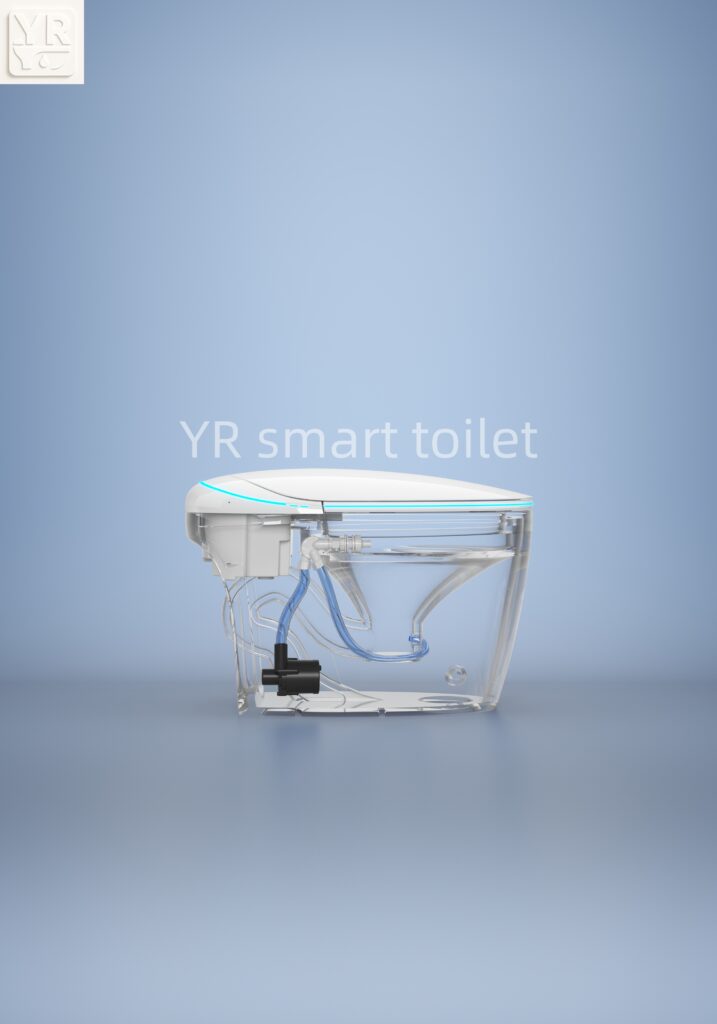
egg shape smart toilet

1. Understand Product Complexity: It’s Not Just a Toilet

A smart toilet is a combination of several systems:

  • Ceramic body structure
  • Electronic control system
  • Water heating system
  • Nozzle washing system
  • Sensor-based automation
  • Power supply system

Because of this, quality differences between suppliers can be significant. Two products that look similar may perform very differently in durability and stability.

2. Check Certification Requirements for Your Market

Different countries require different compliance standards:

  • CE (Europe)
  • RoHS (environmental safety)
  • Watermark (Australia)
  • UL (some North American projects)
  • ISO factory certification

If your supplier cannot provide correct certifications, customs clearance or project approval may become difficult.

3. Confirm Electrical and Water System Compatibility

Before ordering, always confirm:

  • Voltage standard (110V or 220V)
  • Water pressure requirements
  • Plug type and safety standards
  • Heating system compatibility

This is especially important for hotel and commercial projects where installation standards are strict.

4. Understand OEM/ODM Customization Options

Most Chinese factories support customization, but levels vary:

Basic OEM:

  • Logo printing
  • Packaging customization

Advanced OEM:

  • Product shape modification (e.g., egg-shaped toilet design)
  • Function upgrades (auto lid, sensor flush, UV sterilization)
  • Control panel customization

Always confirm customization limits before starting production.

5. Evaluate Supplier Manufacturing Capability

A reliable supplier should have:

  • Ceramic production workshop or stable ceramic sourcing
  • Electronic assembly capability
  • Testing and quality inspection system
  • Export experience

You can request:

  • Factory videos
  • Production line photos
  • Sample test reports

6. Sample Testing Is Essential

Never skip the sample stage.

When evaluating samples, check:

  • Flush performance
  • Sensor sensitivity
  • Noise level
  • Heating stability
  • Water spray consistency

A proper test helps avoid costly problems in bulk orders.

7. Understand MOQ and Pricing Structure

Smart toilet pricing depends on:

  • Product configuration (basic vs fully automatic)
  • Order quantity (MOQ)
  • Customization level
  • Packaging requirements

Typical structure:

  • Sample price: highest per unit
  • Small batch: moderate pricing
  • Bulk orders: best unit cost

Always request a full price breakdown, not just a single quote.

8. Shipping and Packaging Considerations

Smart toilets are fragile and high-value products.

Key points:

  • Strong export-grade packaging is required
  • Wooden crate or reinforced carton is common
  • Sea freight is most cost-effective for bulk orders
  • Insurance is strongly recommended

Improper packaging can lead to damage during long-distance shipping.

9. Communication and After-Sales Support

A good supplier should offer:

  • Fast response time
  • Technical support for installation
  • Spare parts availability
  • Warranty policy

Poor communication is often a warning sign for unstable supply chains.

10. Avoid Common Buyer Mistakes

Many first-time buyers face similar issues:

  • Choosing based only on lowest price
  • Ignoring certification requirements
  • Skipping sample testing
  • Not confirming electrical standards
  • Underestimating shipping costs

A structured sourcing process helps reduce these risks significantly.

Conclusion

Ordering smart toilets from China can be highly profitable and efficient when done correctly. The key is to focus not only on price, but also on product quality, certifications, supplier capability, and long-term cooperation potential.

Buyers who prepare clear specifications and follow a structured sourcing process will achieve better OEM results and more stable supply chains.

Leave a Reply

Vaše e-mailová adresa nebude zveřejněna. Vyžadované informace jsou označeny *