
Unser Standort
304 North Cardinal St.
Dorchester Center, MA 02124

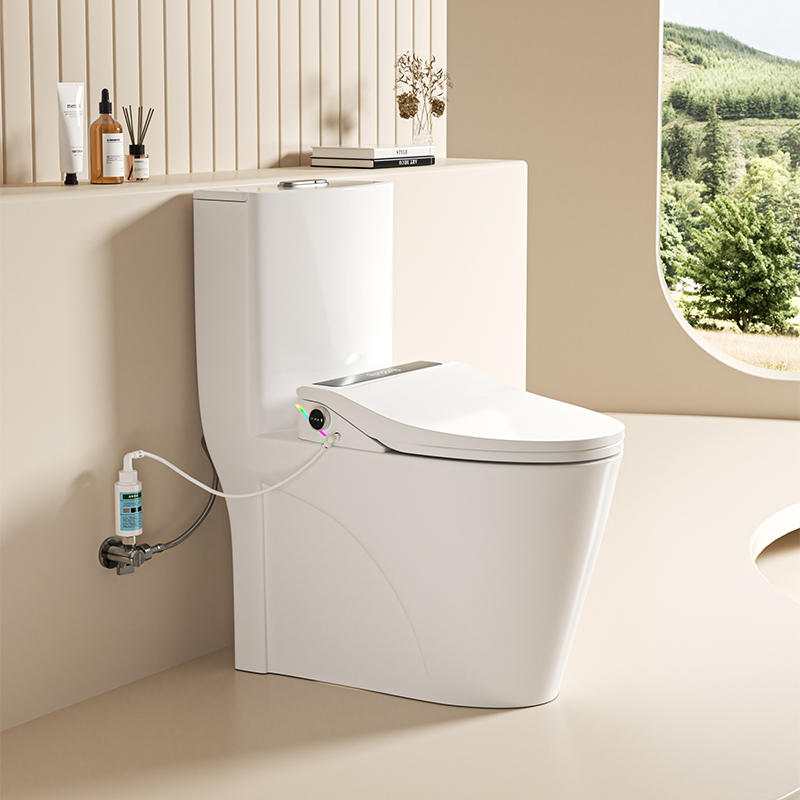
Modern bathrooms are no longer designed only for basic daily use. Today, homeowners, hotels, apartments, and commercial projects are paying more attention to comfort, hygiene, space efficiency, and intelligent functions. As a result, one-piece smart toilets are becoming increasingly popular in modern bathroom upgrades.
However, many buyers still compare one-piece smart toilets with traditional toilets before making a decision. Traditional toilets are familiar, affordable, and easy to install, while smart toilets offer more advanced features such as warm water washing, heated seats, automatic flushing, deodorization, night lights, and sensor control.
So, which option is better for modern bathrooms? The answer depends on the project type, budget, user expectations, and long-term value. This article compares one-piece smart toilets and traditional toilets from design, function, hygiene, comfort, installation, maintenance, and application perspectives.
A one-piece smart toilet is an integrated toilet that combines the ceramic toilet body, seat, electronic control system, washing system, flushing system, and intelligent functions into one complete unit.
Compared with traditional two-piece toilets, a one-piece smart toilet usually has a smoother appearance and fewer gaps between parts. Many models include functions such as rear wash, feminine wash, heated seat, warm air drying, automatic flushing, foot sensor control, deodorization, UV sterilization, and remote control operation.
Because of its integrated design and intelligent features, the one-piece smart toilet is widely used in modern homes, hotels, serviced apartments, luxury bathrooms, and senior-friendly bathroom projects.
A traditional toilet is a standard sanitary ceramic product mainly used for flushing waste. It usually includes a ceramic bowl, water tank, flush valve, seat cover, and basic flushing system.
Traditional toilets are available in many forms, including one-piece toilets, two-piece toilets, wall-hung toilets, and floor-mounted toilets. They are simple, practical, and familiar to most users.
The biggest advantage of traditional toilets is their lower cost and simple structure. However, they usually do not provide washing, drying, deodorization, automatic operation, or advanced hygiene functions unless an additional bidet seat is installed.
One-piece smart toilets are designed for modern bathrooms. Their integrated structure makes the toilet look clean, smooth, and high-end. Many models use a compact shape, hidden water tank, streamlined ceramic body, and soft curves to create a minimalist bathroom style.
Traditional toilets usually have a more basic appearance. Although some modern traditional toilets also look stylish, they generally do not provide the same technology-focused design as smart toilets.
For hotels, premium apartments, and modern homes, appearance matters. A one-piece smart toilet can make the bathroom look more advanced and improve the overall space value.
If the project focuses on simple functionality and cost control, a traditional toilet may still be acceptable. But if the goal is to create a modern, comfortable, and premium bathroom, a one-piece smart toilet has a clear design advantage.
Comfort is one of the biggest differences between a smart toilet and a traditional toilet.
A traditional toilet provides only basic use. The user experience mainly depends on seat shape, height, flushing performance, and bathroom environment.
A one-piece smart toilet can provide a much better experience through functions such as heated seat, warm water washing, adjustable water temperature, adjustable water pressure, warm air drying, and night light. These features are especially useful in cold climates, senior-friendly bathrooms, hotels, and high-end residential projects.
For elderly users, pregnant women, and people who care about hygiene and comfort, warm water washing and easy operation can be very helpful. For hotel guests, smart toilet functions can create a more memorable bathroom experience.
In terms of comfort, the one-piece smart toilet is clearly better than a traditional toilet.
Hygiene is another important factor in modern bathrooms.
Traditional toilets require toilet paper and manual cleaning. Although they can be kept clean with regular maintenance, they do not usually include additional hygiene functions.
One-piece smart toilets often include multiple hygiene-focused features. These may include self-cleaning nozzles, UV sterilization, antibacterial seat materials, deodorization systems, automatic flushing, foot sensor flushing, and easy-clean ceramic glaze.
The washing function can reduce the need for toilet paper and provide a cleaner feeling after use. Automatic flushing and foot sensor operation can also reduce hand contact, which is especially useful in hotels, apartments, and shared bathrooms.
For users who care about cleanliness and health, a smart toilet offers stronger hygiene value than a traditional toilet.
Both traditional toilets and smart toilets need reliable flushing performance. A good toilet must flush efficiently, prevent clogging, and keep the ceramic bowl clean.
Traditional toilets often use gravity flushing, siphon flushing, or dual flush systems. Their flushing structure is simple and easy to understand.
One-piece smart toilets may use siphon flushing, jet siphon flushing, dual-pressure flushing, or built-in water tank flushing systems. Some smart toilets are designed for low water pressure environments and can provide stable flushing even in high-rise buildings or older apartments.
For project buyers, flushing performance should always be checked before ordering. Whether choosing a smart toilet or a traditional toilet, the supplier should provide flushing specifications, water pressure requirements, and test information.
If the bathroom has low or unstable water pressure, a smart toilet with a built-in tank or no-water-pressure-limitation design may be a better choice.
Traditional toilets are usually easier to install because they do not require electricity. Installers mainly need to consider drainage type, rough-in distance, water inlet position, and bathroom space.
One-piece smart toilets require both water and power connections. Before installation, buyers need to confirm the voltage, plug type, socket position, grounding, waterproof protection, water pressure, drainage type, and bathroom layout.
This means smart toilets require more preparation before installation. However, for new bathroom projects, hotel projects, apartments, and residential developments, these requirements can usually be planned in advance.
For renovation projects, buyers should check whether the bathroom already has a suitable power socket near the toilet area. If not, electrical work may be needed before installation.
Traditional toilets are easier for basic installation, while smart toilets require better planning but provide more functions after installation.
Traditional toilets have a simple structure, so maintenance is usually easier. Common replacement parts include flush valves, fill valves, tank fittings, and seat covers. These parts are generally easy to find.
One-piece smart toilets include electronic parts, water heating systems, sensors, control boards, nozzles, remote controls, and other components. Therefore, after-sales support is more important.
For importers, distributors, and project contractors, choosing a reliable smart toilet supplier is very important. Buyers should confirm whether the supplier can provide spare parts, installation manuals, troubleshooting guides, warranty terms, and technical support.
A good smart toilet supplier should test each unit before shipment and provide clear after-sales support. This can reduce maintenance problems and protect the buyer’s brand reputation.
Traditional toilets are simpler to maintain, but smart toilets can still be reliable if buyers choose a professional supplier with strong quality control.
Traditional toilets usually have a lower purchase price. They are suitable for budget projects, basic residential buildings, public facilities, and markets where smart functions are not required.
One-piece smart toilets cost more because they include ceramic, electronics, heating systems, washing functions, sensors, and intelligent controls. However, they also provide higher product value, better comfort, stronger hygiene features, and more attractive selling points.
For hotels, serviced apartments, premium homes, and bathroom showrooms, the higher cost of a smart toilet can be justified by improved user experience and stronger market positioning.
For budget-sensitive projects, traditional toilets may still be the practical choice. But for modern bathrooms that focus on comfort, hygiene, and technology, one-piece smart toilets offer better long-term value.
One-piece smart toilets often have a compact integrated design. Many models hide the water tank inside the ceramic body or use a streamlined structure to save space and create a cleaner bathroom appearance.
Traditional toilets, especially two-piece toilets with visible tanks, may take up more visual space. In small bathrooms, the bulky tank design can make the room look less modern.
For apartments, small bathrooms, and modern residential projects, compact smart toilets can help improve the overall bathroom layout. However, buyers should still check product dimensions before ordering because some smart toilets may be longer than standard traditional toilets.
The best choice depends on the bathroom size and installation layout.
A traditional toilet is suitable for basic bathrooms, budget residential projects, public areas, and simple renovation projects. It is a practical choice when cost, simple installation, and basic flushing are the main priorities.
A one-piece smart toilet is more suitable for modern homes, high-end apartments, hotels, serviced apartments, senior-friendly bathrooms, smart home projects, and premium bathroom showrooms.
For hotels, smart toilets can improve guest satisfaction and room value. For apartments, they can make the property more attractive to tenants. For residential users, they can improve daily comfort and hygiene. For elderly users, automatic functions and warm water washing can provide better convenience.
Therefore, smart toilets are especially suitable for projects that want to upgrade the bathroom experience.
For basic bathrooms with limited budget, a traditional toilet is still a reliable and economical option. It is simple, familiar, and easy to maintain.
For modern bathrooms that focus on comfort, hygiene, design, and intelligent living, a one-piece smart toilet is the better choice. It provides more functions, better user experience, cleaner operation, and a more premium appearance.
The final decision should depend on the project positioning:
Choose a traditional toilet if the project requires low cost, simple installation, and basic function.
Choose a one-piece smart toilet if the project requires modern design, better hygiene, user comfort, smart functions, and higher market value.
Both one-piece smart toilets and traditional toilets have their own advantages. Traditional toilets are affordable, simple, and easy to install. One-piece smart toilets offer advanced comfort, better hygiene, intelligent operation, and a modern appearance.
For today’s hotels, apartments, and residential projects, smart toilets are becoming a strong upgrade option. They meet the growing demand for cleaner, more comfortable, and more intelligent bathroom solutions.
If your project targets modern users, premium bathroom design, or higher product value, a one-piece smart toilet is usually the better choice. By working with a professional smart toilet supplier, buyers can choose the right model, confirm installation requirements, and build a more competitive bathroom product line.
