
Sijaintimme
304 North Cardinal St.
Dorchester Center, MA 02124

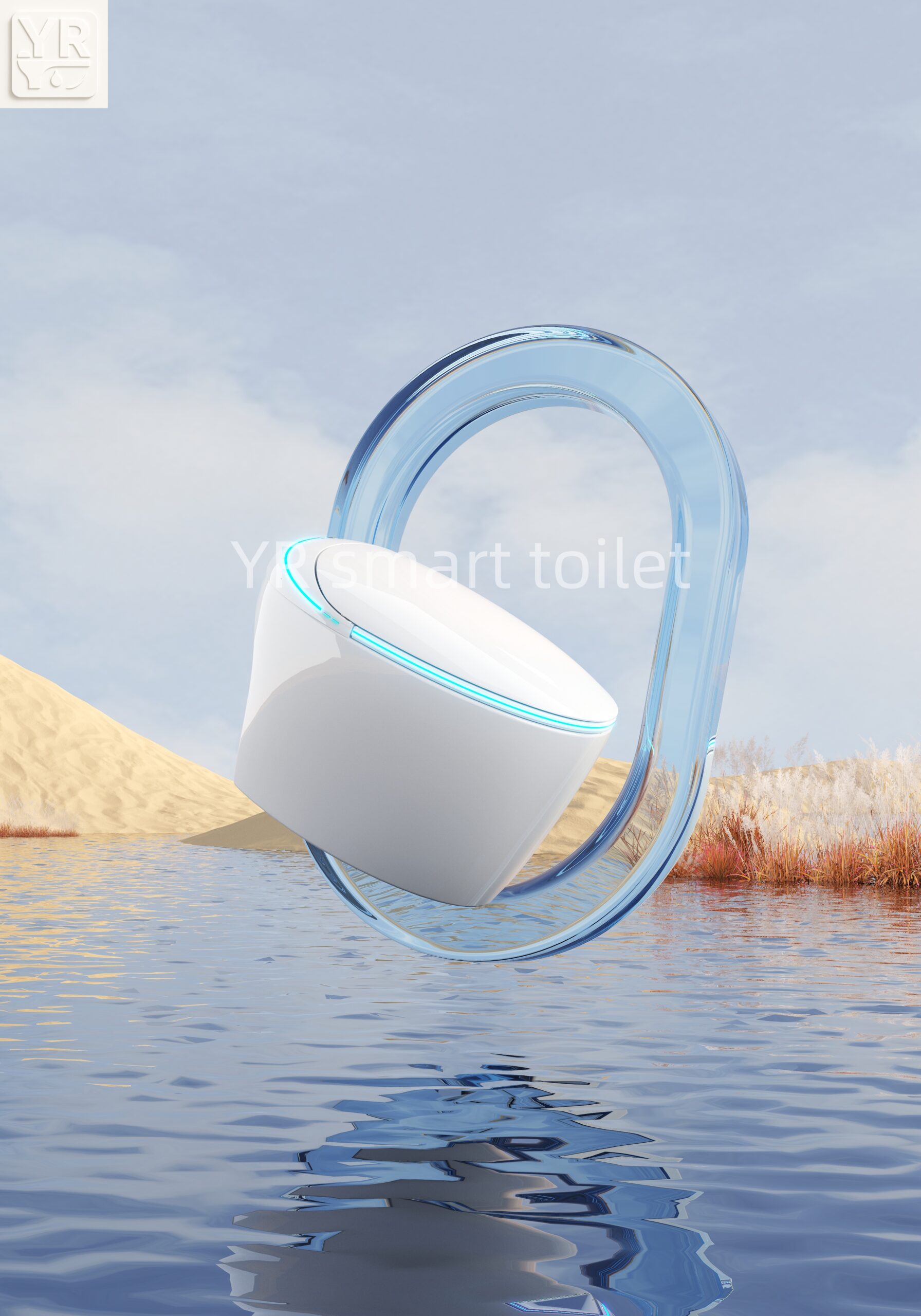
Smart toilets are no longer a luxury niche product. In 2026, they have become a standard feature in high-end residential projects, hotels, and modern commercial bathrooms. Driven by hygiene awareness, automation trends, and bathroom design innovation, electronic smart toilets continue to evolve rapidly in both functionality and user experience.
This article introduces the key features that define modern smart toilets in 2026 and what global buyers should pay attention to when selecting products or suppliers.
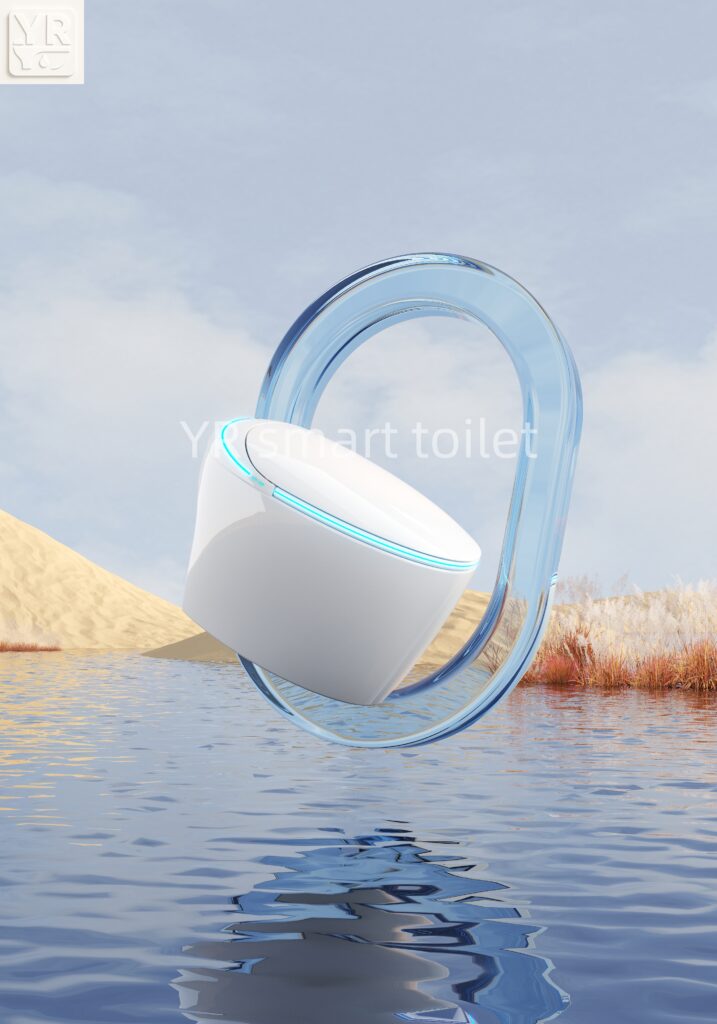
One of the most important upgrades in modern smart toilets is full touchless operation.
Typical functions include:
These features significantly reduce physical contact, improving hygiene and making them ideal for public spaces such as hotels, malls, and offices.
The bidet washing system has become the core function of smart toilets.
Modern systems usually include:
Many models now use dual nozzles with self-cleaning functions, ensuring hygiene before and after each use.
Seat heating is now a standard feature in most mid-to-high-end smart toilets.
Key improvements in 2026 models:
This feature is especially important in colder regions and luxury bathroom setups.
After washing, users can activate a warm air drying function.
Modern systems offer:
This reduces the need for toilet paper and improves overall hygiene efficiency.
Odor control technology has significantly improved in recent years.
Common solutions include:
These systems ensure the bathroom remains fresh even after frequent use.
In 2026, smart toilets increasingly rely on sensor-based automation.
Typical technologies:
These systems improve responsiveness and reduce unnecessary energy consumption.
Hygiene is a top priority in modern toilet design.
Advanced features include:
These technologies help reduce bacterial growth and maintenance requirements.
Users can control modern smart toilets via:
Functions can be adjusted easily, including water temperature, seat heating, and flushing modes.
Sustainability is a key trend in 2026 bathroom products.
Smart toilets now include:
These improvements help reduce both water and electricity consumption.
Beyond functionality, appearance also matters.
Popular design trends include:
These designs match modern minimalist bathroom aesthetics and luxury interiors.
Modern electronic smart toilets in 2026 combine hygiene, automation, energy efficiency, and design innovation. For global buyers and importers, understanding these features is essential when selecting suppliers or developing OEM product lines.
As competition in the smart bathroom industry increases, products that integrate advanced sensors, self-cleaning systems, and user-friendly design will dominate the market.
