Onze locatie
304 North Cardinal St.
Dorchester Center, MA 02124

304 North Cardinal St.
Dorchester Center, MA 02124

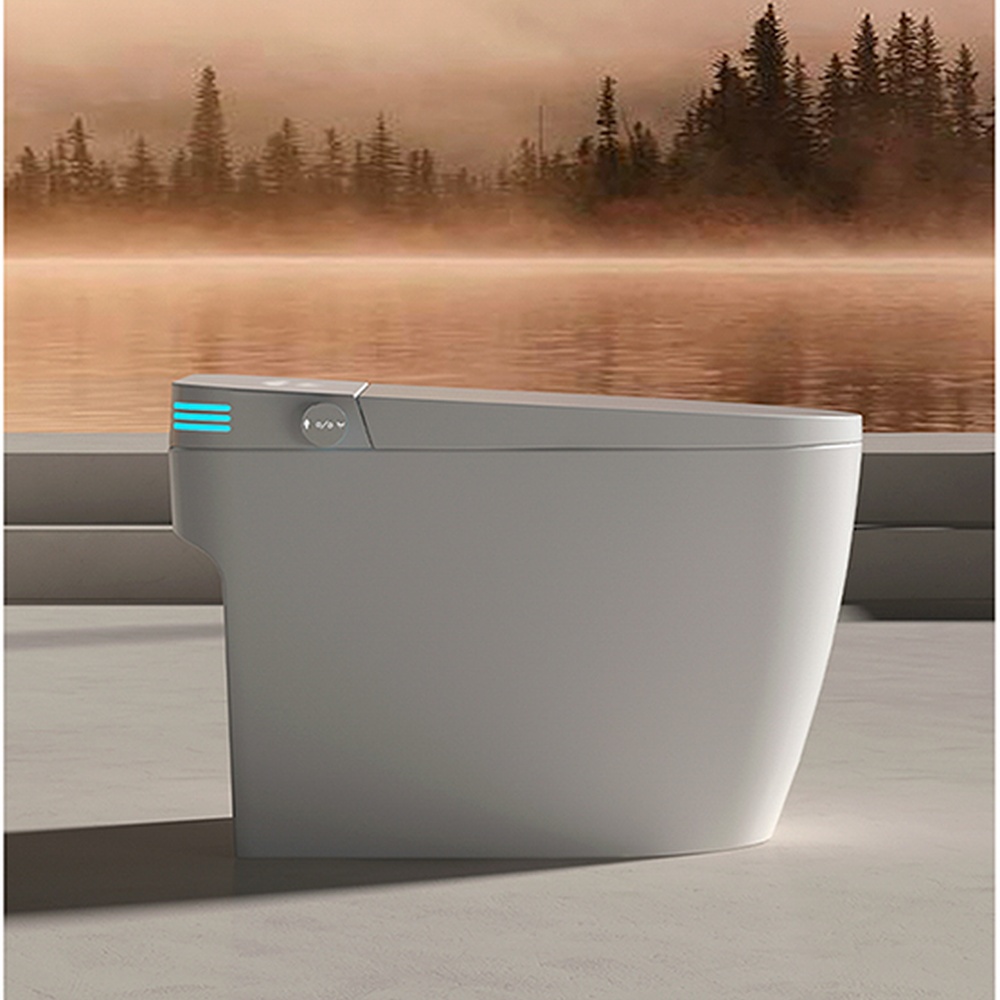
Modern bathrooms are changing quickly. In the past, a bathroom was mainly designed for basic washing and toilet use. Today, it has become a space for comfort, hygiene, relaxation, technology, and personal wellness. Homeowners, hotels, apartments, and property developers are paying more attention to how bathroom products improve daily living quality.
Among all bathroom upgrades, smart toilets are becoming one of the most important trends. They combine modern ceramic design with intelligent functions such as warm water washing, heated seat, automatic flushing, deodorization, night light, UV sterilization, foot sensor operation, auto lid opening, and low water pressure flushing solutions.
For many modern homes, a smart toilet is no longer seen only as a luxury product. It is becoming a practical bathroom upgrade that improves comfort, hygiene, convenience, and long-term user experience.
This article explains why smart toilets are becoming standard in modern homes and how they fit into future bathroom trends.
Comfort is one of the strongest trends in bathroom design. People want bathrooms that feel cleaner, warmer, quieter, and more relaxing. The toilet is used every day, so even small comfort improvements can make a big difference.
Smart toilets provide several comfort features that traditional toilets cannot offer. A heated seat can make winter use more comfortable. Warm water washing provides a gentler cleaning experience. Warm air drying reduces the need for toilet paper. A night light makes nighttime bathroom use easier.
For homeowners, these features improve daily living quality. For hotels and apartments, they improve the perceived value of the bathroom. For elderly users, they can make bathroom use more convenient and comfortable.
As modern bathrooms continue to focus on comfort, smart toilets naturally become more attractive.
Hygiene has become one of the main reasons people choose smart toilets. Traditional toilets depend mainly on manual flushing and toilet paper. Smart toilets can provide a more complete hygiene experience through washing, self-cleaning, automatic flushing, deodorization, and hands-free functions.
Important hygiene features include:
Self-cleaning nozzle
Warm water washing
UV-sterilisatie
Automatische spoeling
Foot sensor flushing
Antibacterial seat material
Deodorization system
Easy-clean ceramic glaze
Rimless or smooth bowl design
These functions help reduce direct contact and improve user confidence. In family bathrooms, better hygiene supports daily health and comfort. In hotels and apartments, hygiene features can improve guest and tenant satisfaction.
As consumers pay more attention to clean living environments, smart toilets are becoming a stronger choice for modern bathrooms.
Modern users prefer products that are easier, cleaner, and more automatic. This is why hands-free bathroom products are becoming more common, including sensor faucets, automatic soap dispensers, smart mirrors, and smart toilets.
Smart toilets can include automatic lid opening, automatic flushing, foot sensor flushing, and remote control operation. These functions reduce the need to touch the toilet by hand.
For homes, this makes daily use more convenient. For hotels and shared bathrooms, it improves hygiene perception. For elderly users or people with limited mobility, hands-free operation can also make bathroom use easier.
The future bathroom is not only beautiful. It is also smarter and easier to use.
As more families care about elderly-friendly home design, bathroom safety and convenience are becoming more important. Bathrooms can be difficult for elderly users because of slippery floors, limited space, cold surfaces, and repeated sitting or standing movements.
Smart toilets can support elderly-friendly bathroom design through practical functions such as heated seat, warm water washing, automatic flushing, auto lid opening, night light, and simple remote control operation.
For elderly users, these features can reduce unnecessary movement and improve independence. A warm seat feels more comfortable. Automatic flushing reduces operation steps. Night light helps nighttime use. Warm water washing can provide a cleaner and gentler experience.
For senior-friendly homes, nursing homes, assisted living facilities, and family bathrooms, smart toilets are becoming a practical upgrade.
Bathroom upgrades can strongly influence how people feel about a home. A modern bathroom with smart products can make the home feel more premium and better designed.
A smart toilet is a visible and functional upgrade. Unlike some hidden home improvement features, users can immediately experience the difference. When guests, buyers, or tenants see a smart toilet with auto lid opening, heated seat, and warm water washing, the bathroom feels more advanced.
For property developers and apartment projects, smart toilets can become a selling point. For homeowners, they can improve both daily comfort and the overall impression of the home.
As modern homes become more technology-focused, smart toilets are becoming part of the standard bathroom upgrade package.
In the past, some buyers worried that smart toilets might not work well in bathrooms with low or unstable water pressure. This was especially a concern for high-rise apartments, old buildings, hotels, and renovation projects.
Today, many smart toilets are designed with built-in water tanks or low water pressure flushing solutions. These designs help reduce dependence on direct pipeline pressure and provide more stable flushing performance.
This makes smart toilets more practical for a wider range of installation environments, including:
High-rise apartments
Old building renovation
Hotels en serviceappartementen
Residential bathroom upgrades
Markets with unstable water pressure
Rental property renovation
As installation adaptability improves, smart toilets become easier to recommend for modern home projects.
Smart bathroom products must be easy to use. If a product has too many complicated functions, users may not enjoy it. Modern smart toilets are becoming more user-friendly through simple controls and automatic operation.
Common control methods include:
Remote control
Side knob control
Foot sensor control
Automatic sensing
Voice control
App control
For families, simple operation is important because different people may use the same toilet. For hotels, guests need to understand the product quickly. For elderly users, controls should be clear and easy to operate.
Future smart toilets will continue to focus on intelligent functions, but the best products will also remain simple and intuitive.
Modern bathrooms are increasingly designed as wellness spaces. People want bathrooms that feel relaxing, private, clean, and comfortable. This trend includes better lighting, warmer materials, quiet design, spa-like showers, heated surfaces, and intelligent fixtures.
Smart toilets fit this wellness direction because they improve daily comfort and hygiene. A heated seat, warm water wash, deodorization system, and automatic operation can make the bathroom feel more relaxing and premium.
For homeowners, this creates a better daily routine. For hotels, it supports a higher-end guest experience. For apartment developers, it helps position the property as modern and comfortable.
As bathrooms become more wellness-focused, smart toilets will continue to grow in importance.
Warm water washing is one of the most important functions of a smart toilet. It provides a cleaner and more comfortable alternative to using only toilet paper.
Although toilet paper may still be used, smart toilets can reduce daily dependence on it. This can improve comfort and support a cleaner bathroom experience.
For users with sensitive skin, elderly users, and families, warm water washing can be especially valuable. For hotels and premium homes, it creates a more refined bathroom experience.
This is one reason why smart toilets are becoming more accepted in modern bathrooms.
Modern bathroom design often favors clean lines, smooth surfaces, and integrated products. Traditional toilets with bulky tanks may not always match this design direction.
Many smart toilets use one-piece designs, hidden tanks, smooth ceramic bodies, and compact shapes. This helps create a cleaner and more modern bathroom appearance.
A one-piece smart toilet can make the bathroom look more organized and high-end. It also reduces visible gaps and corners, which can make cleaning easier.
For modern homes, hotels, and apartments, design is not only about appearance. It also affects hygiene, maintenance, and user experience.
For importers, distributors, and bathroom brands, smart toilets can be customized for different markets. OEM and ODM options make it easier to build product lines for local customer needs.
Common customization options include:
Logo aanpassen
Custom packaging
Manual language customization
Remote control label customization
Voltage and plug type options
Function configuration
Color or design adjustment
Market-specific product combinations
This makes smart toilets more flexible for different countries, sales channels, and project types. A buyer can choose basic models for budget apartments, mid-range models for residential markets, and high-end models for hotels or luxury homes.
As customization becomes easier, smart toilets can enter more market segments.
Many homeowners want their bathrooms to feel like hotel bathrooms. They want cleaner design, better lighting, premium materials, and more comfortable fixtures.
Smart toilets help create this hotel-inspired experience at home. Features such as automatic lid opening, heated seat, warm water washing, deodorization, and night light make the bathroom feel more advanced.
This trend is important because people are spending more attention on home comfort. A smart toilet can turn an ordinary bathroom into a more premium daily space.
For suppliers and importers, this creates a strong marketing angle: bringing hotel-level bathroom comfort into modern homes.
A smart toilet is not only for luxury users. It can benefit many different groups.
For families, it improves hygiene and comfort.
For elderly users, it makes bathroom use easier.
For children, gentle wash modes and night lights can improve convenience.
For hotels, it improves guest experience.
For apartments, it increases property value.
For smart home users, it fits the connected lifestyle.
This wide range of applications is one reason why smart toilets are becoming more common in modern homes.
As smart toilets become more popular, buyers will pay more attention to quality. Since smart toilets include water systems, electronic components, heating modules, sensors, and ceramic bodies, quality testing is essential.
Important tests include:
Leakage test
Flushing test
Function test
Seat heating test
Water heating test
Sensor test
Aging test
Electrical safety test
Final inspection
Packaging inspection
For importers and distributors, choosing a reliable smart toilet supplier is very important. A professional supplier should not only provide attractive designs but also stable quality, testing support, spare parts, warranty terms, and OEM/ODM service.
As the market grows, reliable quality will become a key factor in supplier competition.
Smart toilets are becoming standard in modern homes because they solve real bathroom needs. They improve comfort, hygiene, convenience, safety, and design value.
Traditional toilets can still meet basic needs, but modern users expect more from their bathrooms. They want products that support cleaner living, easier operation, and better daily comfort.
A smart toilet can provide these benefits in one integrated product. It fits the direction of modern home design, smart living, wellness bathrooms, and aging-friendly spaces.
For this reason, smart toilets are moving from luxury upgrades to practical standard fixtures in many modern bathrooms.
The future of bathroom design is moving toward comfort, hygiene, wellness, smart technology, and user-friendly operation. Smart toilets fit all of these trends. They provide warm water washing, heated seats, automatic flushing, deodorization, UV sterilization, auto lid opening, night lights, and low water pressure flushing solutions.
For modern homes, smart toilets improve daily comfort and hygiene. For hotels and apartments, they increase bathroom value and user satisfaction. For elderly-friendly bathrooms, they provide practical support for easier and safer use.
As more people upgrade their bathrooms, smart toilets are becoming an important part of modern living. For importers, distributors, contractors, and bathroom brands, this creates a strong opportunity to develop smart toilet product lines for homes, hotels, apartments, and future bathroom projects.
By working with a professional smart toilet supplier, buyers can choose the right models, confirm quality testing, customize functions, and provide reliable smart bathroom solutions for modern markets.
