
Kde nás najdete
304 North Cardinal St.
Dorchester Center, MA 02124

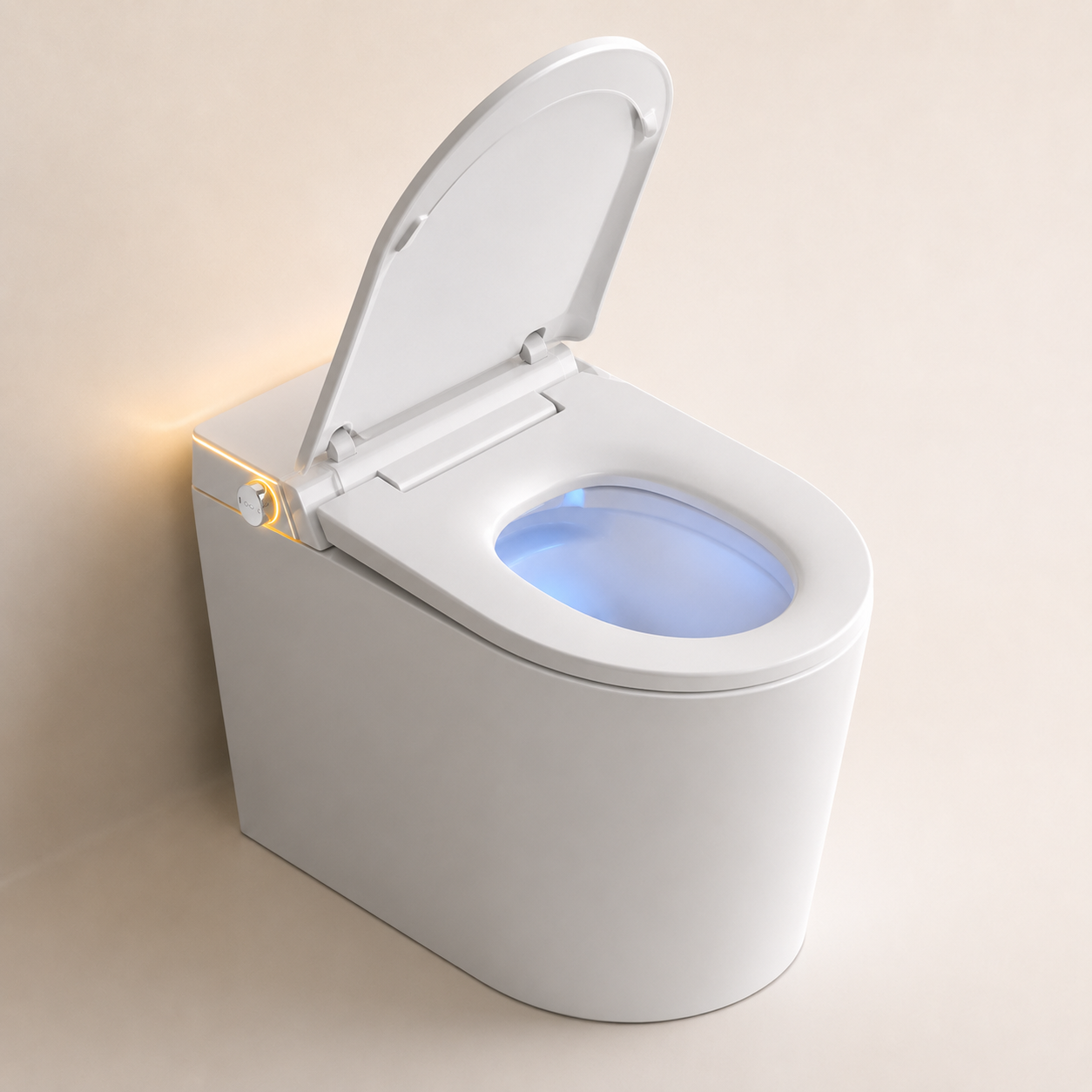
Smart toilets are more complex than traditional ceramic toilets. They combine ceramic manufacturing, flushing systems, water circuits, electronic control boards, heating modules, sensors, nozzles, remote controls, drying systems, deodorization systems, and safety protection components. Because of this, quality testing is one of the most important steps before shipment.
For importers, distributors, bathroom brands, hotel project buyers, and sanitary ware wholesalers, product quality directly affects customer satisfaction and after-sales cost. A smart toilet may look attractive from the outside, but without strict testing, hidden problems may appear after installation.
A professional smart toilet supplier should perform a complete quality inspection process, including leakage testing, aging testing, function testing, and final inspection. These tests help ensure that every smart toilet can work safely, reliably, and consistently before delivery.
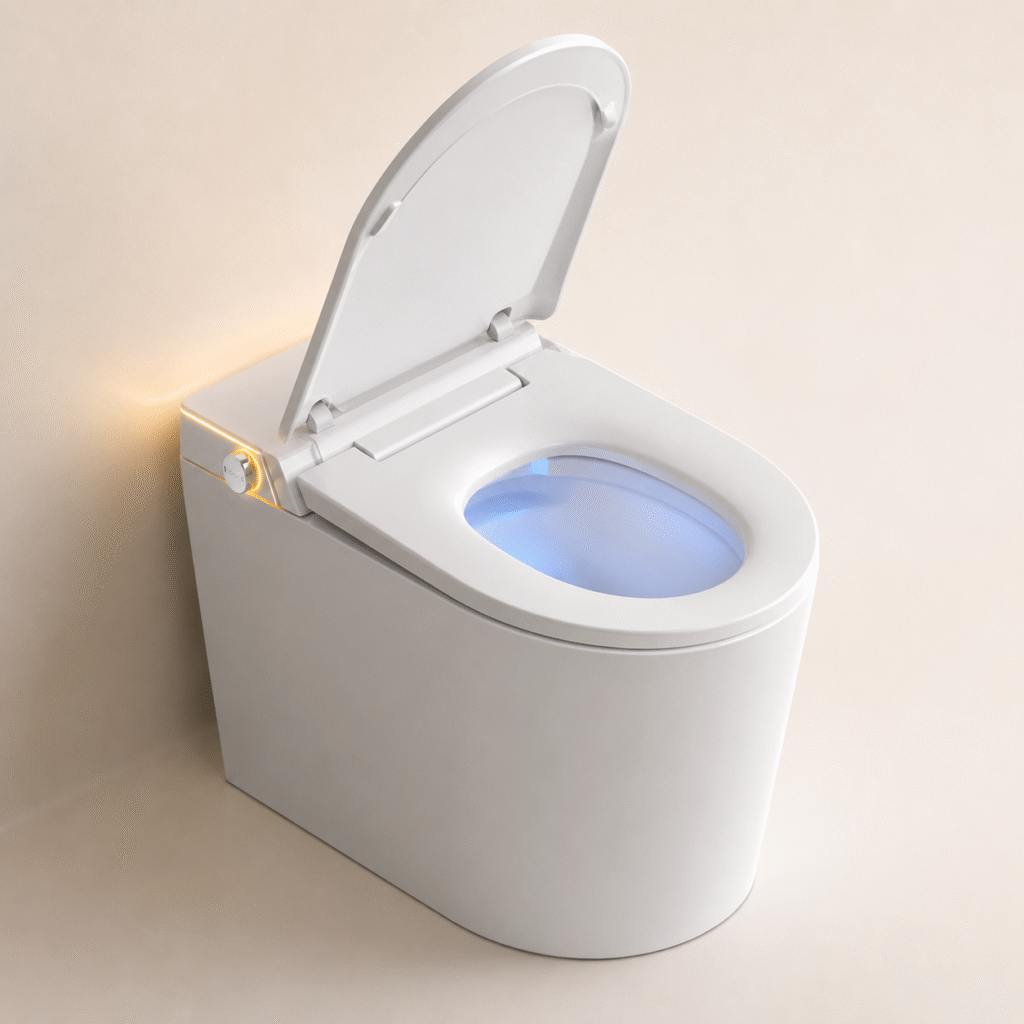
A smart toilet is used in a bathroom environment where water and electricity are both involved. This means quality problems can create serious inconvenience and safety concerns.
Common problems caused by insufficient testing may include weak flushing, water leakage, unstable seat heating, unstable water temperature, remote control failure, sensor malfunction, nozzle problems, abnormal noise, drying system failure, damaged packaging, or ceramic defects.
For B2B buyers, these problems can lead to customer complaints, warranty claims, product returns, spare parts requests, and damage to brand reputation. For hotel and apartment projects, quality issues may also affect project schedules and user experience.
Strict testing before shipment helps reduce these risks and gives buyers more confidence in bulk orders.
Leakage testing is one of the most important quality control steps for smart toilets. Since smart toilets include internal water pipes, nozzles, flushing systems, valves, connectors, and sometimes built-in water tanks, every water-related part must be checked carefully.
A leakage test helps confirm that the smart toilet does not leak during water intake, washing, flushing, or standby operation.
Important areas to check include:
Water inlet connection
Internal water pipe connections
Nozzle water supply system
Flushing water channel
Built-in water tank structure
Valve connection points
Ceramic sealing areas
Base connection area
Drainage connection area
For smart toilets with built-in water tanks, leakage testing is especially important because the internal tank structure must remain stable during long-term use.
A professional supplier should check whether the toilet can operate under normal water pressure without leaking. For export orders, leakage testing before packing can greatly reduce after-sales problems after installation.
Flushing performance is the basic function of any toilet. Even if a smart toilet has many advanced features, it must first flush properly.
During flushing testing, the supplier should check whether the toilet can remove waste effectively, whether the water flow is stable, and whether the bowl can be cleaned properly after flushing.
Key points include:
Flushing strength
Water consumption
Siphon performance
Anti-clogging ability
Bowl cleaning performance
Low water pressure adaptability
Built-in tank flushing performance
Noise level during flushing
Repeated flushing stability
For markets with low or unstable water pressure, flushing testing is even more important. High-rise apartments, old buildings, hotels, and renovation projects may not always have stable water pressure. In these cases, built-in water tank smart toilets can offer more reliable flushing performance.
Buyers should ask the supplier whether flushing videos, testing standards, or sample testing support are available before bulk ordering.
The nozzle is a core component of a smart toilet. It directly affects washing comfort and hygiene. During quality testing, the supplier should check whether the nozzle extends and retracts smoothly, sprays water accurately, and cleans itself properly.
Common nozzle-related tests include:
Rear wash test
Feminine wash test
Moving wash test
Child wash test
Nozzle extension test
Nozzle retraction test
Water pressure adjustment test
Water temperature test
Nozzle self-cleaning test
Spray angle test
Spray stability test
For models with UV sterilization, the UV function should also be checked to confirm whether it works correctly and safely.
A high-quality nozzle system should provide stable water flow, smooth movement, and reliable self-cleaning performance. This helps improve user confidence and product hygiene.
Heated seat is one of the most popular comfort features of smart toilets. However, it must be tested carefully because it involves electrical heating in a bathroom environment.
During the seat heating test, the supplier should check whether the seat heats evenly and reaches the correct temperature range. The heating system should be comfortable, stable, and safe.
Important points include:
Seat heating speed
Temperature adjustment levels
Temperature stability
Overheat protection
Seat surface comfort
Control accuracy
Energy-saving mode
Long-term heating reliability
For cold climate markets, hotels, and elderly-friendly bathrooms, seat heating performance is especially important. If the seat is too cold, too hot, or unstable, it can affect user satisfaction.
Warm water washing is another key smart toilet function. The water temperature should be stable and comfortable during use.
During testing, the supplier should check whether the water heating system works properly and whether temperature changes are controlled safely.
Important testing points include:
Water heating speed
Water temperature adjustment
Temperature stability
Continuous warm water performance
Overheat protection
Water flow stability
Instant heating system performance
User comfort during washing
For high-end smart toilets, stable warm water performance is an important part of the user experience. Buyers should avoid products with unstable water temperature, delayed heating, or sudden temperature changes.
Many smart toilets include warm air drying after washing. Although drying may not be the most important function, it helps improve comfort and reduces the need for toilet paper.
During drying testing, the supplier should check:
Air temperature adjustment
Airflow strength
Drying response time
Hladina hluku
Air outlet stability
Overheat protection
Control accuracy
A good drying system should provide comfortable airflow without excessive noise or overheating. For hotels, apartments, and residential users, this feature can improve the overall smart toilet experience.
Smart toilets often use remote controls, side knobs, or control panels for operation. These control methods must be tested before shipment.
Important checks include:
Button response
Signal reception
Remote control distance
Battery installation
Side knob operation
Function matching
Icon or label accuracy
Waterproof design
User-friendly operation
The control system should be simple, responsive, and easy to understand. For export orders, buyers may also request customized language labels or remote control stickers.
A function mismatch between the remote control and toilet body can cause user confusion, so every control function should be checked carefully.
Many modern smart toilets include sensors for automatic lid opening, automatic flushing, foot sensor flushing, night light, seat detection, and user presence detection.
Sensor testing helps ensure that automatic functions work accurately and safely.
Common sensor tests include:
Auto lid opening response
Auto lid closing response
Foot sensor flushing
Seat sensor detection
Automatic flushing after use
Night light activation
User approach detection
False triggering prevention
Sensor sensitivity
Sensors should be sensitive enough for normal use but not so sensitive that they open or flush unnecessarily. For hotels and apartments, stable sensor performance is important because many different users may use the product.
Some smart toilets include deodorization and UV sterilization functions. These features improve bathroom hygiene and user confidence.
During quality testing, the supplier should check whether these systems operate correctly.
For deodorization, testing may include:
Fan operation
Odor removal module response
Airflow direction
Hladina hluku
Filter installation
Automatic activation
For UV sterilization, testing may include:
UV function activation
Nozzle sterilization area
Safety protection
Automatic operation timing
UV light shielding
Component reliability
UV sterilization should be designed so that users are not directly exposed to UV light during normal use. Safety design is very important.
Aging testing is used to check whether key electronic components can operate reliably over time. During an aging test, the product or important components are powered on and operated for a certain period to identify early failures.
For smart toilets, aging testing may involve:
Control board operation
Seat heating system
Water heating system
Drying system
Sensor system
Remote control system
Automatické proplachování
Automatic lid opening
Power supply stability
The purpose of aging testing is to find potential problems before shipment. If a component fails during the aging test, it can be repaired or replaced before the product reaches the customer.
For B2B buyers, aging testing is an important sign of a reliable supplier. It shows that the supplier is not only checking appearance but also testing long-term performance.
Because smart toilets use electricity in wet bathroom environments, electrical safety testing is essential.
Important safety checks include:
Grounding protection
Insulation performance
Power leakage protection
Overheat protection
Power cord safety
Plug compatibility
Waterproof electrical structure
Control board protection
Voltage stability
Safety label confirmation
For export markets, voltage and plug type should be confirmed before production. Some markets require 110V, while others require 220V to 240V. Plug types also vary by country.
A smart toilet supplier should ensure that the product matches the electrical requirements of the target market.
The ceramic body affects both product appearance and long-term cleaning performance. Before final packing, the ceramic surface should be inspected carefully.
Important ceramic inspection points include:
Surface glaze quality
Color consistency
Cracks
Pinholes
Black spots
Deformation
Scratches
Bowl shape
Trapway condition
Smooth surface finish
A smooth ceramic glaze makes the toilet easier to clean and improves the premium appearance of the product. For hotel projects, apartments, and retail sales, ceramic appearance is very important because users can immediately see defects.
Smart toilets include many assembled parts, including the ceramic body, seat cover, lid, electronic modules, nozzles, valves, pipes, sensors, screws, and decorative covers.
Assembly inspection helps ensure that all parts are installed correctly before shipment.
Important checks include:
Seat cover alignment
Lid opening and closing
Screw tightening
Nozzle position
Pipe connection
Sensor position
Decorative cover fit
Remote control matching
Button operation
Power cord condition
Poor assembly can cause noise, unstable operation, water leakage, or appearance problems. Therefore, assembly inspection should be part of the final quality control process.
Before packing, the supplier should perform a final function test to confirm that the smart toilet works properly as a complete unit.
The final function test may include:
Power-on test
Remote control test
Rear wash test
Feminine wash test
Seat heating test
Water heating test
Drying test
Flushing test
Automatic flushing test
Foot sensor test
Auto lid opening test
Night light test
Deodorization test
UV sterilization test
Leakage check
This final test is important because some problems may only appear after full assembly. A professional supplier should not rely only on component testing. The complete product should be tested before packing.
Smart toilets are fragile products because they include ceramic parts and electronic components. Even if the product passes all function tests, poor packaging can still cause damage during shipping.
Packaging inspection should check:
Carton strength
Foam protection
Corner protection
Product fixing method
Accessory placement
Remote control packing
Manual placement
Power cord protection
Moisture protection
Label accuracy
Carton printing
Pallet loading method
For international shipping, packaging must be strong enough for long-distance transport. For e-commerce sales, packaging may need even higher protection because products go through more handling steps.
Buyers should ask the supplier for packaging photos, carton dimensions, gross weight, net weight, and loading quantity before shipment.
Before shipment, all accessories and documents should be checked carefully. Missing accessories can create installation problems and customer complaints.
Common items to check include:
Remote control
Mounting accessories
Water inlet hose
Sealing parts
Power cord
User manual
Installation manual
Warranty card
Product label
Packaging label
Spare parts if included
For OEM orders, the supplier should also check whether the logo, manual language, remote control label, and carton design match the buyer’s requirements.
For B2B orders, a final inspection report can help buyers understand the shipment quality before delivery.
A good final inspection report may include:
Order information
Model number
Quantity checked
Appearance inspection result
Function test result
Leakage test result
Flushing test result
Packaging inspection result
Accessory check result
Defect summary
Photos or videos
Final shipment conclusion
For large orders, buyers may also arrange third-party inspection before shipment. Whether inspection is done by the factory or a third party, clear records help reduce disputes and improve trust.
Strict testing may increase production time and cost, but it reduces long-term after-sales risk. For importers and distributors, after-sales service can be expensive, especially when products are sold in overseas markets.
If smart toilets are not tested properly, buyers may face:
Product returns
Warranty claims
Spare parts replacement
Customer complaints
Bad reviews
Project delays
Brand reputation damage
Extra shipping costs
A reliable quality testing process helps prevent these issues. It protects both the supplier and the buyer.
Before placing a smart toilet order, buyers should ask the supplier several quality-related questions.
Mezi důležité otázky patří:
Is every unit tested before shipment?
What leakage testing process is used?
Is flushing performance tested?
Is aging testing included?
Are all smart functions tested?
Are electrical safety checks performed?
Can testing videos be provided?
Can samples be tested before bulk order?
Is a final inspection report available?
What is the warranty policy?
Are spare parts available?
How are quality problems handled?
These questions help buyers compare suppliers more professionally and reduce sourcing risk.
Smart toilet quality testing is essential for reliable product performance. Because smart toilets combine ceramic, water systems, electronics, heating modules, sensors, nozzles, and intelligent controls, every product should be tested carefully before shipment.
Leakage testing helps prevent water-related problems. Aging testing helps check long-term electronic reliability. Function testing confirms that washing, heating, flushing, drying, sensors, remote control, deodorization, and UV sterilization work properly. Final inspection ensures that the product appearance, packaging, accessories, and documents meet order requirements.
For importers, distributors, hotel project buyers, and bathroom brands, choosing a supplier with a complete testing process can reduce after-sales costs, improve customer satisfaction, and protect brand reputation.
A professional smart toilet supplier should not only produce smart toilets but also test them carefully, document the results, and provide reliable quality support for long-term cooperation.
