
Sijaintimme
304 North Cardinal St.
Dorchester Center, MA 02124

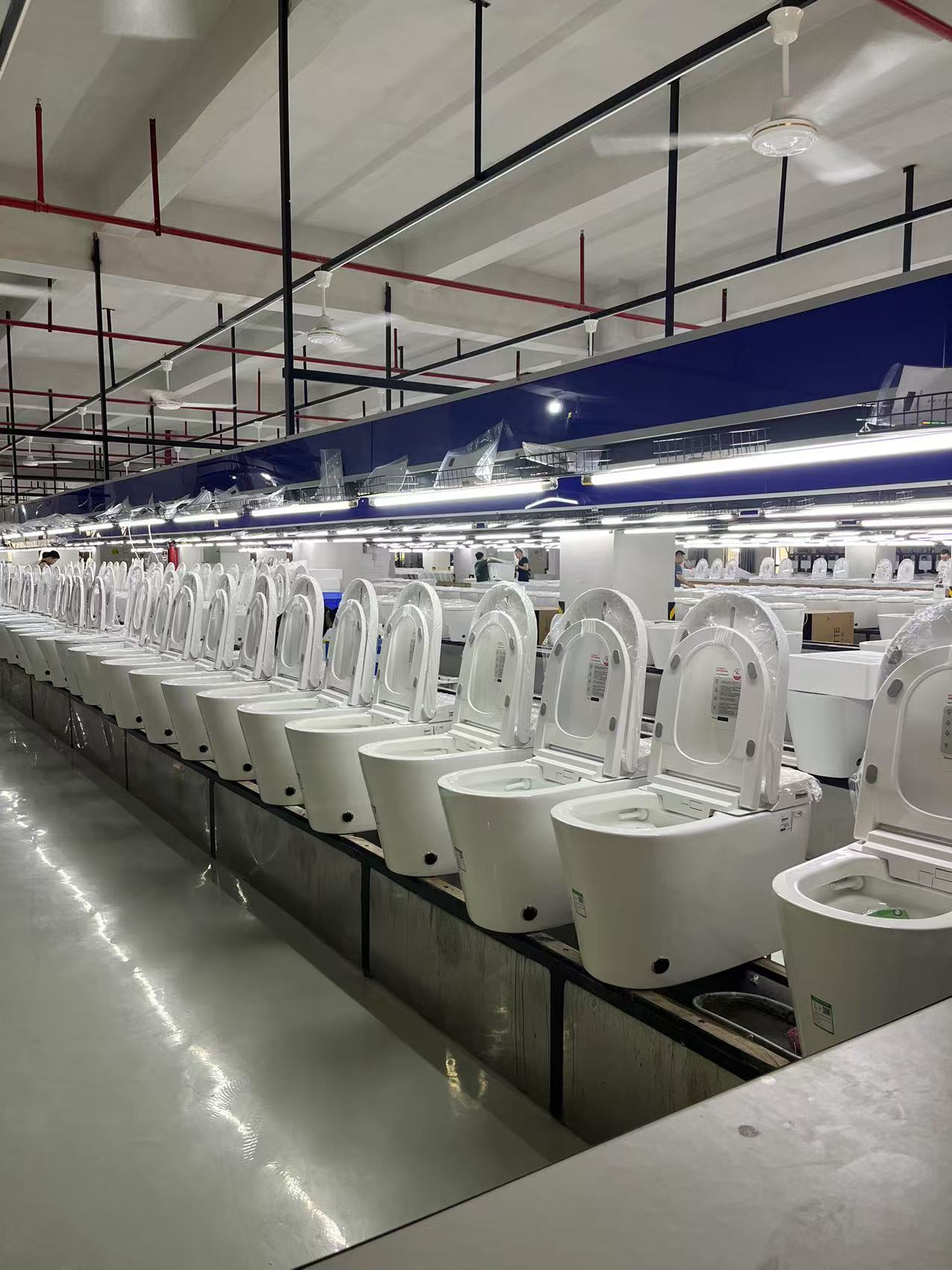
Kiina on noussut yhdeksi maailman suurimmista äly-wc:iden ja älykkäiden kylpyhuonetuotteiden valmistuskeskittymistä. Koska tuhansia toimittajia tarjoaa OEM- ja ODM-palveluita, ostajat pääsevät osallisiksi kilpailukykyisistä hinnoista, räätälöidyistä malleista ja laajamittaisista tuotantokapasiteeteista. Oikean toimittajan valinta ei kuitenkaan tarkoita pelkästään halvimman hinnan löytämistä.
Jakelijoille, maahantuojille, tukkukauppiaille ja hankinta-asiakkaille luotettavan äly-WC-toimittajan valinta vaikuttaa suoraan tuotteiden laatuun, asiakastyytyväisyyteen ja liiketoiminnan pitkän aikavälin kasvuun.
Tässä oppaassa selitetään hankinnan yhteydessä arvioitavat keskeiset tekijät äly-wc:t Kiinasta.
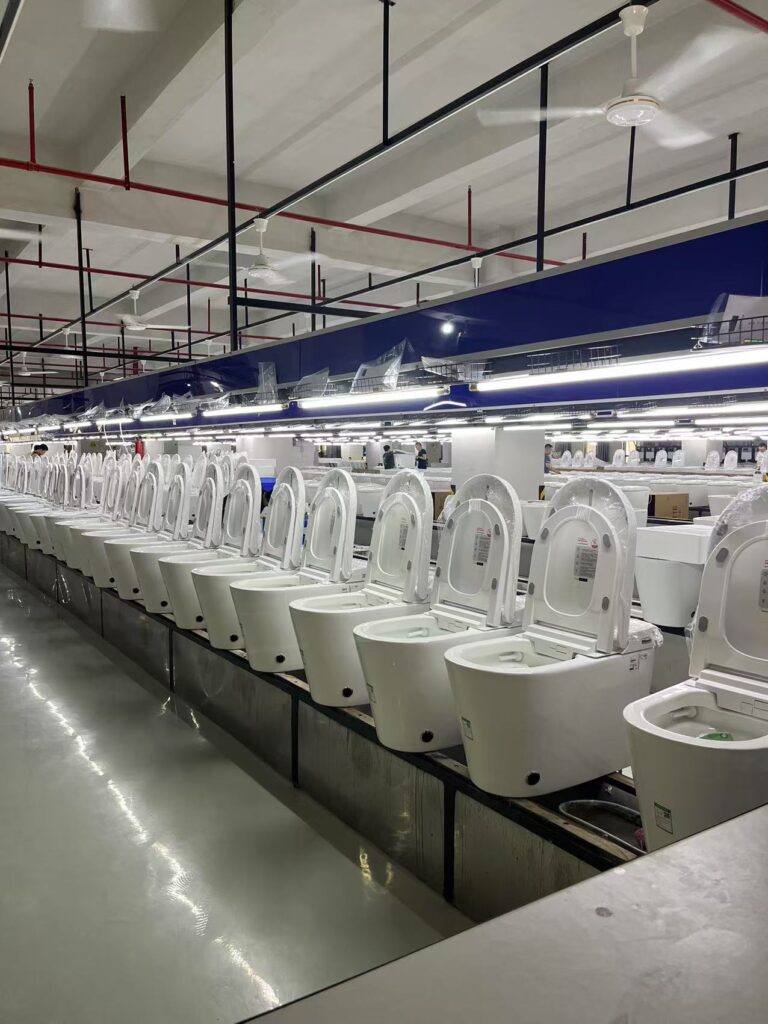
Kaikki toimittajat eivät ole varsinaisia valmistajia. Osa niistä on kauppayhtiöitä, kun taas toiset ulkoistavat tuotannon.
Ennen kuin teet päätöksen, kysy itseltäsi:
Toimittajilla, joilla on vuosien tuotantokokemus, on yleensä kehittyneemmät laadunvalvontajärjestelmät ja vahvemmat suunnitteluvalmiudet.
Oma- ja tuotemerkkikehityshankkeissa OEM- ja ODM-palvelut ovat erittäin tärkeitä.
Luotettavan toimittajan tulisi tarjota seuraavaa tukea:
OEM tarkoittaa tuotteiden valmistamista asiakkaan omalla tuotemerkillä, kun taas ODM kattaa yleensä suunnittelu- ja kehitystukea.
Toimittajat, joilla on vahvat räätälöintivalmiudet, voivat auttaa yritystäsi luomaan erottuvia tuotteita.
Sertifiointivaatimukset vaihtelevat maittain ja alueittain.
Yleisiä sertifiointeja ovat muun muassa:
Esimerkiksi:
Pyydä toimittajilta aina voimassa olevat sertifikaattiasiakirjat.
Laatuongelmat voivat aiheuttaa kalliita myynnin jälkeisiä ongelmia.
Kysy toimittajilta seuraavia asioita:
Ammattimaisilla tehtailla on usein erilliset laadunvalvontaosastot ja testauslaitteet.
Kaikki äly-wc:t eivät tarjoa samaa suorituskykyä.
Arvioi seuraavia keskeisiä ominaisuuksia:
Pyydä toimittajilta tuotetiedot ja tekniset tiedot.
Vakaa tuotantokapasiteetti on välttämätöntä tukkukauppiaille ja projektitilaajille.
Tärkeitä kysymyksiä ovat muun muassa:
Tehdas, joka ei pysty toimittamaan tuotteita ajallaan, voi viivästyttää koko projektia.
Äly-wc:issä on elektronisia komponentteja ja mekaanisia järjestelmiä, joihin saattaa tarvita varaosia.
Varmista seuraavien saatavuus:
Luotettavien toimittajien tulisi tarjota varaosapalvelua ja teknistä tukea.
Älä koskaan tee suuria tilauksia ilman, että olet ensin testannut näytteitä.
Näytteen arvioinnin tulisi sisältää seuraavat seikat:
Todellisten tuotteiden testaaminen auttaa vähentämään hankintariskejä.
Kansainvälistä liiketoimintakokemusta omaavat toimittajat ymmärtävät usein sertifiointivaatimukset, pakkausstandardit ja logistiikkamenettelyt.
Pyydä:
Kokeneet viejät kommunikoivat yleensä tehokkaammin ja ymmärtävät ulkomaisten ostajien odotuksia.
Halvin tarjous ei aina tarkoita alhaisimpia kokonaiskustannuksia.
Mieti seuraavaa:
Pitkän aikavälin luotettavuus tuo usein enemmän lisäarvoa kuin lyhyen aikavälin säästöt.
Ole varovainen, jos toimittajat:
Nämä varoitusmerkit voivat viitata laatuun tai luotettavuuteen liittyviin riskeihin.
Luotettavan äly-WC-toimittajan valitseminen Kiinassa vaatii muutakin kuin pelkkää hintojen vertailua. Ostajien tulisi arvioida huolellisesti valmistuskokemusta, sertifiointeja, laadunvalvontajärjestelmiä, räätälöintimahdollisuuksia sekä myynninjälkeistä tukea.
Luotettava toimittaja on enemmänkin pitkäaikainen liikekumppani kuin pelkkä tuotteiden hankintalähde. Suorittamalla asianmukaista tutkimusta ja tarkastuksia tuojat ja jakelijat voivat vähentää hankintariskejä ja vahvistaa kilpailukykyään markkinoilla.
Pyydä kuvia tehtaasta, tuotantovideoita ja toimilupia sekä järjestä videotarkastuksia tai kolmannen osapuolen suorittamia tarkastuksia.
Vaatimukset riippuvat markkinoista, mutta yleisesti vaaditaan CE-, cUPC-, Watermark-, ETL- ja RoHS-merkintöjä.
Kyllä. Monet kiinalaiset valmistajat tarjoavat OEM- ja ODM-palveluita, joihin kuuluvat brändäys, pakkaus ja tuotteiden räätälöinti.
