
Sijaintimme
304 North Cardinal St.
Dorchester Center, MA 02124

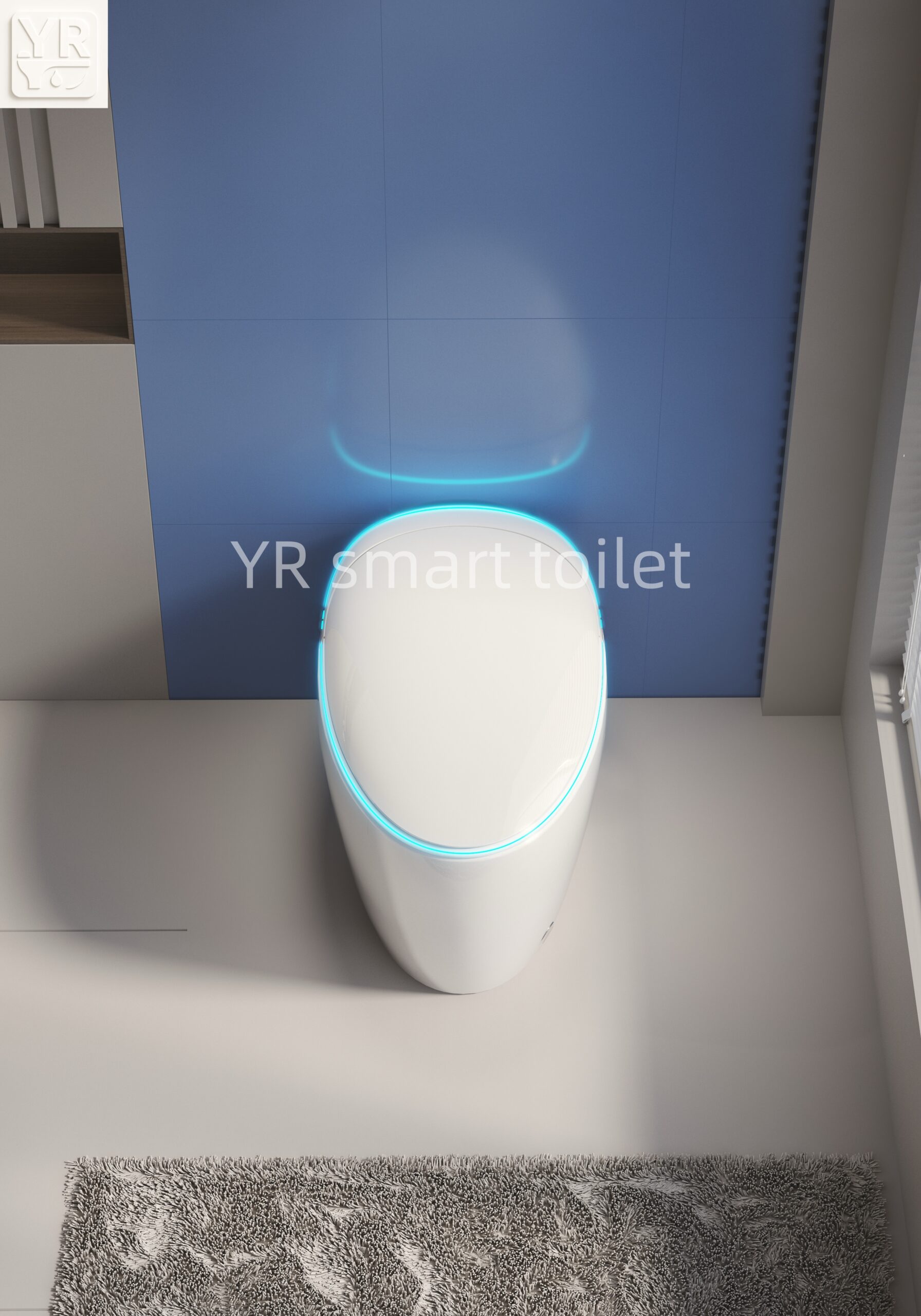
Äly-wc:t ovat kehittyneet ylellisistä kylpyhuonetuotteista käytännöllisiksi ratkaisuiksi, joissa yhdistyvät hygienia, mukavuus, teknologia ja vedenkäytön tehokkuus. Vuonna 2026 kuluttajien odotukset kasvavat edelleen, ja ostajat etsivät muutakin kuin pelkkää automaattista huuhtelua. Olitpa sitten asunnonomistaja, jakelija, hotellin ostaja tai hankintapäällikkö, uusimpien äly-WC:n ominaisuuksien ymmärtäminen voi auttaa sinua tekemään parempia ostopäätöksiä.
Tässä oppaassa käsitellään tärkeimpiä äly-wc vuonna 2026 huomioon otettavat seikat.
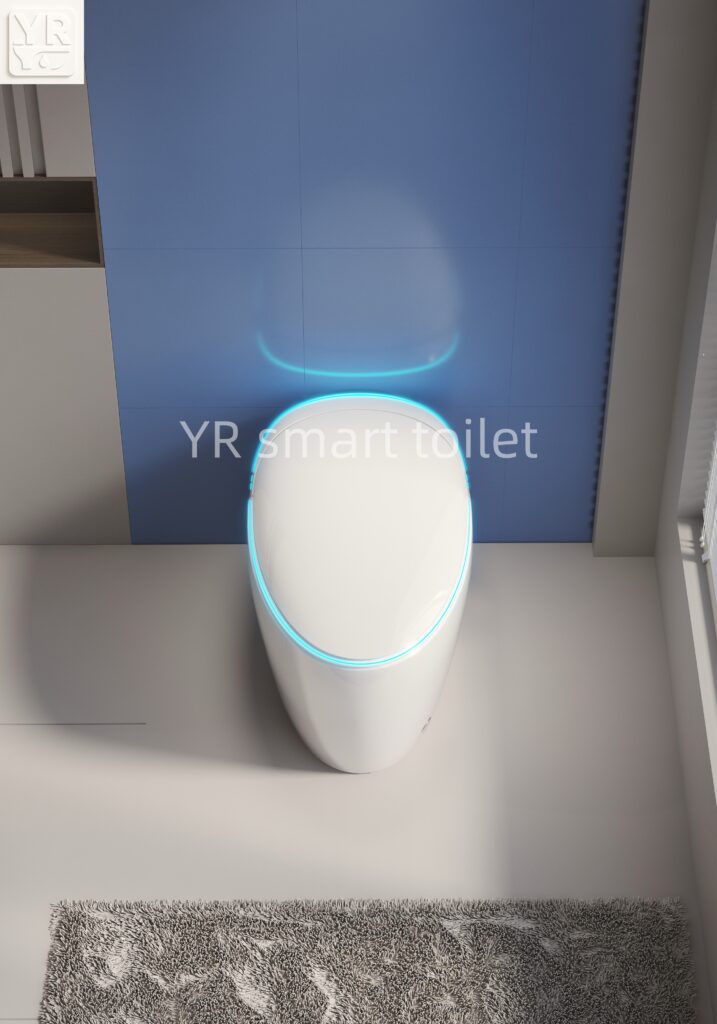
Yksi nykyaikaisten äly-wc:iden yleisimmistä ominaisuuksista on automaattinen kansijärjestelmä. Sisäänrakennetut anturit havaitsevat käyttäjän liikkeet ja avaavat tai sulkevat istuinkannen automaattisesti ilman fyysistä kosketusta.
Etuja ovat muun muassa:
Hotellien ja julkisten tilojen kaltaisissa kaupallisissa ympäristöissä kosketukseton käyttö on tullut yhä tärkeämmäksi.
Nykyaikaiset äly-wc:t tarjoavat nykyään perinteisiä pesujärjestelmiä laajempia, yksilöllisesti mukautettavia puhdistustoimintoja.
Suosittuja pesuvaihtoehtoja ovat muun muassa:
Joissakin korkealaatuisissa järjestelmissä on myös itsepuhdistuvat suuttimet ja sterilointitekniikka.
Istuimen lämmitys on edelleen yksi arvostetuimmista äly-WC:n toiminnoista, etenkin kylmemmissä ilmastoissa.
Nykyaikaiset lämmitettävät istuimet mahdollistavat nyt seuraavat ominaisuudet:
Käyttäjät odottavat yhä enemmän mukavuusominaisuuksia, jotka mukautuvat yksilöllisiin mieltymyksiin.
Lämpimän ilman kuivaustoiminto vähentää tai poistaa kokonaan tarvetta käyttää wc-paperia.
Edut ovat muun muassa:
Huippuluokan äly-wc:issä on nykyään säädettävät ilmavirta- ja lämpötila-asetukset.
Vuonna 2026 hygieniateknologiasta on tullut merkittävä myyntivaltti.
Monissa uusissa äly-wc:issä on seuraavat ominaisuudet:
UV-sterilointi voi auttaa vähentämään bakteerien kasvua ja parantamaan puhtautta käyttökertojen välillä.
Tankittomat äly-WC:t ovat yhä suositumpia, koska ne tarjoavat selkeämmän muotoilun ja tehokkaamman huuhtelun.
Edut:
Tankittomat järjestelmät ovat erityisen suosittuja nykyaikaisissa huoneistoissa ja korkeatasoisissa kylpyhuonehankkeissa.
Nykyaikainen anturitekniikka voi parantaa käyttömukavuutta ja energiatehokkuutta.
Älykkäitä tunnistustoimintoja voivat olla esimerkiksi:
Jotkut järjestelmät pystyvät jopa tallentamaan käyttäjän henkilökohtaiset asetukset.
Yövalaistus on pieni ominaisuus, joka parantaa merkittävästi käyttömukavuutta.
Etuja ovat muun muassa:
Pehmeä LED-valaistus on tullut vakiovarusteeksi monissa korkealaatuisissa äly-WC-malleissa.
Kuluttajat ja yritykset kiinnittävät yhä enemmän huomiota kestävään kehitykseen.
Tärkeitä energiansäästötoimintoja ovat muun muassa:
Nämä ominaisuudet auttavat alentamaan käyttökustannuksia suorituskyvyn säilyessä ennallaan.
Yhteysominaisuudet laajenevat edelleen vuonna 2026.
Jotkut äly-wc:t tukevat nykyään seuraavia ominaisuuksia:
Kun verkkoon liitetyt kodit yleistyvät, myös älykkäät kylpyhuonetuotteet kehittyvät.
Äly-WC:itä hankkivien maahantuojien ja jakelijoiden tulisi arvioida tuotteiden suorituskykyä sertifiointien ja valmistusvalmiuksien ohella.
Tärkeitä huomioitavia seikkoja:
Luotettavan valmistajan valinta voi olla yhtä tärkeää kuin tuotteen ominaisuuksien valinta.
Vuoden 2026 äly-wc:t tarjoavat paljon muutakin kuin automaattisen huuhtelun ja lämmitetyt istuimet. Edistykselliset hygieniajärjestelmät, anturiteknologia, energiatehokkuus ja yksilöllinen mukavuus ovat tulossa vakiintuneiksi odotuksiksi maailmanmarkkinoilla.
Yrityksille, jotka hankkivat tuotteita vähittäiskauppaan, majoitus- ja ravintola-alalle tai omien tuotemerkkien tarpeisiin, näiden keskeisten ominaisuuksien ymmärtäminen auttaa varmistamaan paremman tuotevalikoiman ja vahvemman kilpailukyvyn markkinoilla.
Älykkään kylpyhuoneteknologian kehittyessä edelleen investoiminen monipuolisiin ja luotettaviin äly-wc:ihin voi tuottaa pitkäaikaista lisäarvoa sekä kuluttajille että yrityksille.
Vastaus riippuu käyttäjien tarpeista, mutta lämmitettävät istuimet, bidee-pesu, automaattinen huuhtelu ja itsepuhdistustoiminnot kuuluvat suosituimpiin ominaisuuksiin.
Useimmissa nykyaikaisissa äly-wc:issä on itsepuhdistuvat suuttimet ja huoltoa helpottava rakenne. Säännöllinen puhdistus ja määräaikaistarkastukset riittävät yleensä.
Kyllä. Monissa äly-wc:issä käytetään kaksoishuuhtelujärjestelmiä ja optimoitua huuhtelutekniikkaa, joiden avulla vedenkulutusta voidaan vähentää perinteisiin wc:ihin verrattuna.
