
Our Location
304 North Cardinal St.
Dorchester Center, MA 02124

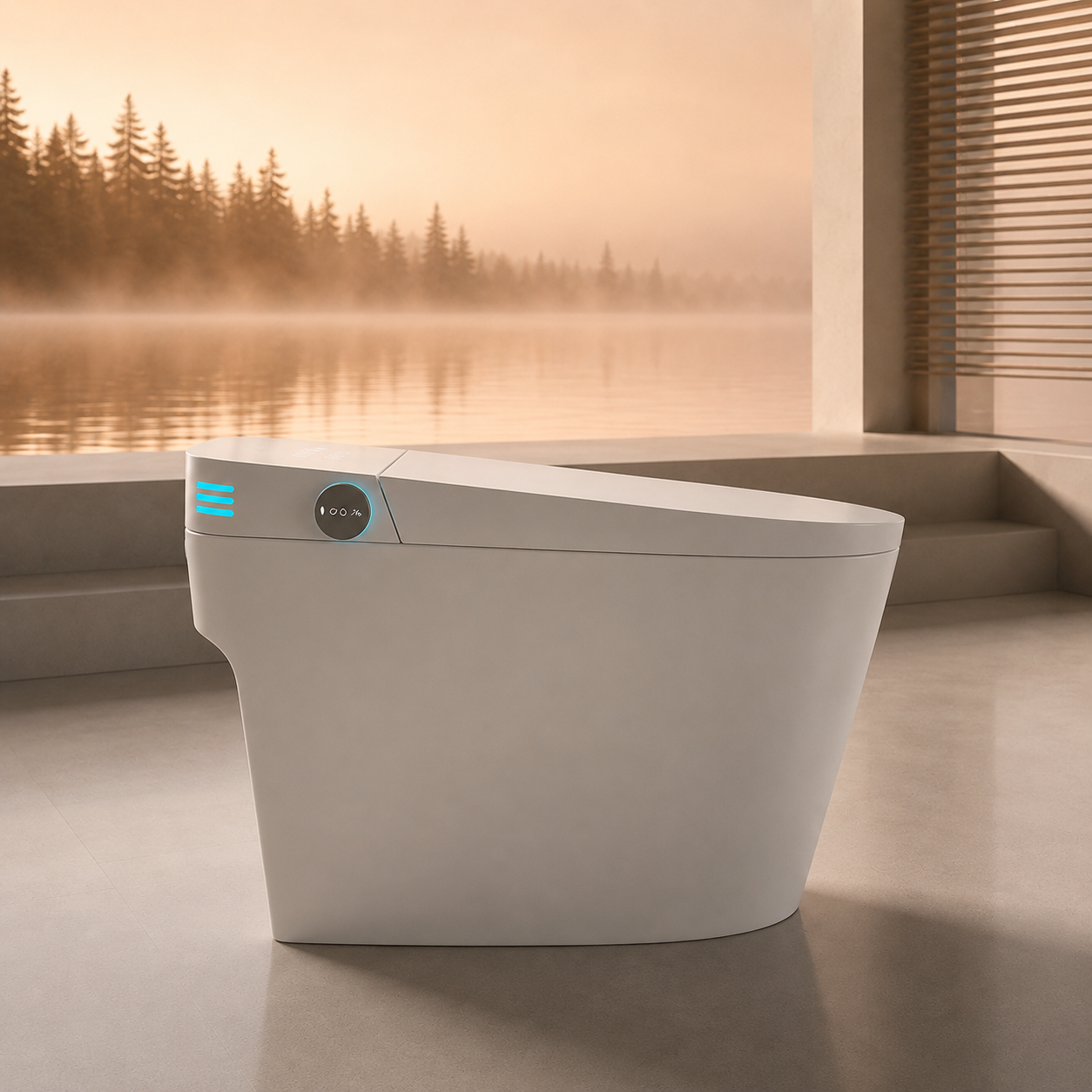
A smart toilet is designed to make daily bathroom use cleaner, more comfortable, and more convenient. However, one common problem many users face is unstable water pressure. In high-rise apartments, older communities, or homes with weak water supply, ordinary smart toilets may not flush strongly enough or may deliver an inconsistent washing experience.
This is where a no-water-pressure-limit smart toilet becomes a practical solution.
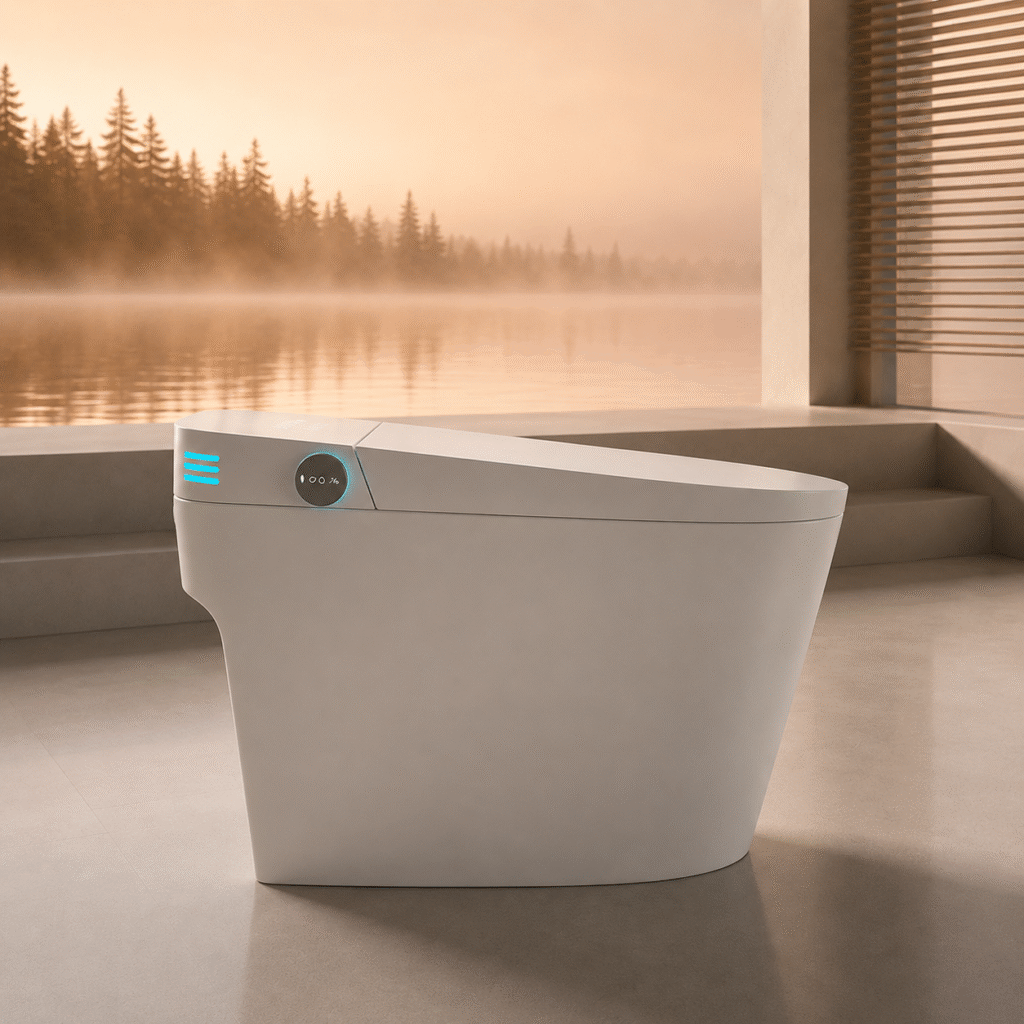
A no-water-pressure-limit smart toilet does not mean the toilet works without water. It means the toilet is designed to reduce dependence on household inlet water pressure.
Traditional smart toilets often require a stable water pressure level to support strong flushing and comfortable washing. If the water pressure is too low, the flushing power may weaken, the nozzle spray may become unstable, or the toilet may not perform as expected.
A no-water-pressure-limit model usually uses a built-in water tank, booster pump, or pressurized flushing system to store and deliver water more consistently. This helps the toilet maintain strong flushing performance even when the home’s water pressure is low or unstable.
Water pressure directly affects flushing performance, nozzle cleaning, and overall user experience. In many bathrooms, water pressure changes throughout the day. For example, pressure may drop during peak usage times, in high-floor apartments, or in older residential buildings with aging pipes.
When water pressure is insufficient, a regular smart toilet may have problems such as weak flushing, incomplete waste removal, slow water filling, unstable bidet washing, or poor foam and cleaning performance. These issues can make a smart toilet feel less reliable, even if it has advanced functions.
A no-water-pressure-limit smart toilet is designed to solve this pain point and provide a more stable bathroom experience.
The biggest advantage is stable flushing performance. With an internal water storage or pressure-boosting system, the toilet can deliver a stronger flush without relying completely on external water pressure.
This is especially useful for high-rise buildings, older apartments, villas, and areas where water pressure is inconsistent.
A strong and stable flush helps remove waste more effectively. Many no-water-pressure-limit smart toilets also combine flushing technology with siphon flushing, vortex flushing, or dual-pressure systems to improve cleaning performance while reducing residue.
For daily use, this means a cleaner bowl and less need for repeated flushing.
Smart toilets are not only about flushing. Washing functions also need stable water flow. A low-pressure water supply can affect the comfort and consistency of rear wash, feminine wash, child wash, and massage wash.
With a built-in pressure system, the water flow can be more consistent, making the washing experience more comfortable and reliable.
Not every bathroom has ideal plumbing conditions. Some homes have old pipes, long water supply routes, or unstable municipal water pressure. A no-water-pressure-limit smart toilet gives more flexibility during renovation or replacement because it can adapt to more bathroom conditions.
Many models also include features such as a heated seat, warm water washing, warm air drying, automatic lid opening, deodorization, foam shield, UV nozzle sterilization, night light, remote control, and voice control. Combined with stable flushing, these functions create a more complete smart bathroom experience.
A no-water-pressure-limit smart toilet is especially suitable for users who want a smart toilet but are worried about unstable water pressure.
It is a good choice for:
High-rise apartment residents, especially users living on upper floors.
Homes in old communities where water pressure may fluctuate.
Bathrooms with long or aging water pipes.
Families who want strong flushing without repeated flushing.
Users replacing a traditional toilet with a smart toilet during renovation.
Hotels, apartments, rental properties, and commercial bathrooms that need stable performance.
Families with elderly people, children, or multiple users who need a cleaner and more convenient bathroom solution.
An ordinary smart toilet usually depends more heavily on external water pressure. If the water supply is strong and stable, it can work well. However, if the pressure is low, the user experience may become unstable.
A no-water-pressure-limit smart toilet is designed with a more independent water delivery system. It can store water, pressurize water, or use an internal flushing structure to reduce the impact of weak household pressure.
For users with uncertain plumbing conditions, this type of smart toilet is often a safer and more reliable choice.
Before choosing a no-water-pressure-limit smart toilet, check the following details:
Confirm whether the model has a built-in water tank or booster flushing system.
Check the toilet size and rough-in distance to make sure it fits your bathroom.
Confirm whether your bathroom has a nearby power outlet.
Check the drainage type and installation requirements.
Review the available functions, such as heated seat, warm water wash, UV sterilization, foam shield, automatic lid, deodorization, and remote control.
Ask whether the model supports low-pressure environments or high-floor installation.
A smart toilet should not only look modern. It should also perform reliably every day. For many households, water pressure is one of the most important factors affecting smart toilet performance.
A no-water-pressure-limit smart toilet solves this problem by making flushing and washing more stable. It is a practical upgrade for modern bathrooms, especially for users who want cleaner flushing, more comfortable washing, and fewer installation worries.
It still needs a water supply. “No water pressure limit” means the toilet is designed to work under low or unstable water pressure by using internal water storage or pressure-boosting technology.
Yes. It is especially suitable for high-rise buildings where water pressure may be lower or unstable, depending on the building’s plumbing system.
Yes. Most smart toilets require electricity to support functions such as heating, washing, drying, flushing control, deodorization, UV sterilization, automatic lid opening, and remote control.
For homes with stable and strong water pressure, a regular smart toilet may work well. For homes with low or unstable water pressure, a no-water-pressure-limit smart toilet is usually a more reliable choice.
Look for stable flushing, built-in water tank or booster system, warm water wash, heated seat, warm air drying, nozzle self-cleaning, UV sterilization, deodorization, foam shield, remote control, and easy installation.
