Nasza lokalizacja
304 North Cardinal St.
Dorchester Center, MA 02124

304 North Cardinal St.
Dorchester Center, MA 02124

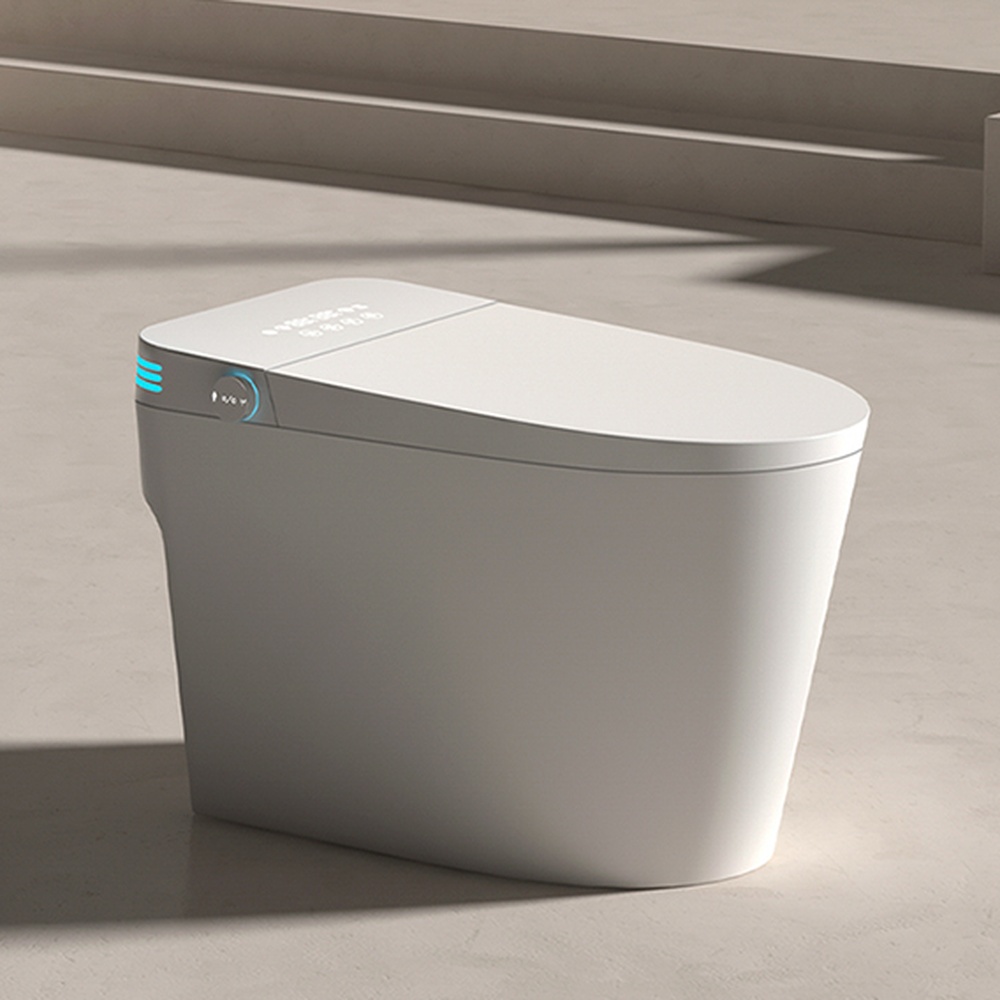
Smart toilets are no longer limited to luxury homes. Today, they are widely used in hotels, serviced apartments, residential buildings, senior-friendly bathrooms, and modern commercial projects. For project buyers, distributors, contractors, and bathroom brands, choosing the right smart toilet is not only about appearance. It also involves function, installation conditions, user experience, maintenance cost, product quality, and long-term after-sales support.
Different projects have different requirements. A five-star hotel may focus on premium comfort and brand image, while an apartment project may care more about cost control, stable performance, and easy installation. Residential buyers may prefer hygiene, convenience, and family-friendly operation. Therefore, selecting the right smart toilet requires a clear understanding of the application scenario before placing an order.
This guide explains the key factors to consider when choosing smart toilets for hotels, apartments, and residential projects.
Before comparing models, buyers should first define where the smart toilets will be used.
For hotels, the toilet is part of the guest experience. A smart toilet can improve the perceived value of the room and create a more comfortable bathroom environment. In this case, features such as automatic lid opening, heated seat, warm water washing, warm air drying, deodorization, night light, and remote control can help create a premium impression.
For apartments, especially rental apartments or serviced apartments, durability and easy maintenance are usually more important. The smart toilet should be stable, simple to operate, and suitable for different users. A model with essential functions, reliable flushing, and easy cleaning may be more practical than an overly complicated luxury version.
For residential projects, buyers often need to consider family usage. Elderly users, children, and general household members may all use the same toilet. Therefore, safety, comfort, hygiene, and user-friendly controls are important. Features such as child wash, soft night light, foot sensor flushing, and simple remote-control operation can improve daily convenience.
Understanding the project type helps buyers avoid choosing a product that is either over-specified or under-equipped.
Water pressure is one of the most important factors when choosing a smart toilet. In many hotels, high-rise apartments, old buildings, or areas with unstable water supply, water pressure may not always be strong enough for traditional flushing systems.
For these projects, a smart toilet with a built-in water tank or no-water-pressure-limitation design can be a better choice. This type of smart toilet can provide more stable flushing performance even when the water pressure is low or unstable. It is especially suitable for:
Before purchasing, buyers should confirm the required water pressure range with the supplier. If the project has uncertain water pressure, choosing a model with a built-in tank can reduce installation risks and after-sales problems.
Smart toilets usually support different control methods, such as remote control, side knob control, foot sensor control, automatic sensing, voice control, or app control. The best choice depends on the user group and project positioning.
For hotels, remote control and automatic functions are popular because they create a premium and convenient experience. Auto lid opening, auto flushing, and foot sensor operation can reduce hand contact and improve hygiene.
For apartments, a simple remote control or side knob control may be more practical. Tenants need a product that is easy to understand and not too complicated to maintain.
For residential projects, voice control and foot sensor control can be attractive, especially for modern smart homes. However, the control system should still be intuitive. A good smart toilet should allow users to operate basic functions easily, even if they do not use advanced features.
When selecting a control method, buyers should consider both convenience and long-term reliability.
The main value of a smart toilet comes from its washing and hygiene functions. Buyers should check whether the product offers essential wash modes, such as rear wash, feminine wash, moving wash, child wash, and adjustable water temperature.
For hotel and residential use, adjustable water temperature and water pressure are important because different users have different comfort preferences. A self-cleaning nozzle is also necessary for hygiene. Some higher-end models may include stainless steel nozzles, UV sterilization, or electrolyzed water cleaning to improve cleanliness.
For family bathrooms, child wash and gentle washing modes can improve user comfort. For senior-friendly bathrooms, stable water temperature and simple operation are especially important.
A good smart toilet should provide comfortable washing without making the operation complicated.
Hygiene is one of the strongest selling points of smart toilets. For hotels, apartments, and residential projects, buyers should pay attention to the features that help reduce bacteria, odor, and cleaning work.
Common hygiene-related features include:
For hotel bathrooms, hygiene features can help improve guest confidence. For apartments, easy-clean designs can reduce maintenance pressure. For residential users, better hygiene means a cleaner and more comfortable daily bathroom experience.
If the smart toilet will be used in high-frequency environments, hygiene functions should not be ignored.
Flushing performance directly affects user satisfaction and maintenance cost. A smart toilet should provide powerful and stable flushing while saving water as much as possible.
Buyers should check the flushing system type, water consumption, anti-clogging design, and whether the toilet can perform well under the project’s water pressure conditions. Some smart toilets use siphon flushing, jet siphon flushing, dual-pressure flushing, or built-in water tank flushing systems.
For hotels and apartments, poor flushing performance can lead to frequent complaints and maintenance issues. Therefore, buyers should not only focus on electronic functions. The ceramic body, flushing structure, trapway design, and water flow performance are also very important.
For bulk orders, it is recommended to request testing videos, product specifications, or sample testing before confirming large-scale purchase.
The appearance of the smart toilet should match the overall bathroom design. Modern projects usually prefer clean lines, smooth curves, compact shapes, and minimalist styles.
For hotels, a high-end appearance can improve the room’s visual quality. Egg-shaped smart toilets or compact one-piece designs are often suitable for modern hotel bathrooms.
For apartments, space-saving design is important. A compact smart toilet can help make the bathroom look more open and organized.
For residential projects, buyers may choose different designs according to the target market. Premium homes may prefer full-function smart toilets, while standard residential units may need simple and cost-effective models.
The right design should balance appearance, space, comfort, and installation convenience.
Smart toilets require both water and electricity connections. Before ordering, buyers should check the installation conditions carefully.
Important installation details include:
For export orders, voltage and plug type are especially important. Different countries may require different electrical standards. Buyers should communicate with the supplier in advance to avoid installation problems after delivery.
For project orders, it is better to confirm technical drawings, installation manuals, and product dimensions before mass production.
Smart toilets can be divided into simplified, standard, and high-end models. Not every project needs the most expensive model. The key is to choose the right function level for the target market.
For budget apartments, essential smart functions may be enough. These may include warm water washing, heated seat, basic drying, automatic flushing, and remote control.
For mid-range residential projects, buyers may add deodorization, night light, child wash, nozzle self-cleaning, and foot sensor flushing.
For luxury hotels and high-end homes, advanced features such as automatic lid opening, voice control, UV sterilization, foam shield, instant heating, and built-in water tank flushing can create stronger product value.
A good supplier should be able to recommend suitable models based on the project budget and market positioning.
For project buyers, product quality is more important than short-term price savings. A smart toilet combines ceramic, electronics, heating systems, sensors, water circuits, and control boards. If the quality is unstable, after-sales costs can be high.
Before choosing a supplier, buyers should ask about:
For bulk orders, consistent quality is critical. A professional supplier should have clear inspection procedures and be able to provide testing support before shipment.
Hotels and apartments usually require long-term product stability. If a smart toilet fails frequently, it affects guest satisfaction and increases maintenance costs.
Buyers should check whether spare parts are available, whether the supplier can provide installation videos, user manuals, troubleshooting guidance, and replacement parts. For overseas distributors and project contractors, after-sales support is especially important.
A reliable smart toilet supplier should offer not only products but also technical communication, packaging support, warranty terms, and long-term cooperation support.
For brands, wholesalers, and project contractors, OEM/ODM service can help create more competitive products. Buyers may need custom logo printing, packaging design, function configuration, plug type, language stickers, manuals, or market-specific product combinations.
A qualified OEM/ODM smart toilet supplier can help buyers develop product lines for different markets, such as hotel projects, apartment renovations, residential upgrades, and retail distribution.
When discussing OEM/ODM cooperation, buyers should confirm:
Good communication at the beginning can reduce misunderstandings during production.
Choosing the right smart toilet for hotels, apartments, and residential projects requires more than comparing product appearance. Buyers should consider water pressure, flushing performance, washing functions, hygiene features, installation conditions, design style, quality testing, maintenance support, and OEM/ODM service.
For hotels, comfort and premium experience are key. For apartments, stability and easy maintenance are essential. For residential projects, hygiene, safety, and user-friendly operation matter most.
A suitable smart toilet should match the project environment, user needs, and long-term maintenance requirements. By working with a professional smart toilet supplier, buyers can select the right models, reduce installation risks, and provide better bathroom solutions for modern living spaces.
