Nasza lokalizacja
304 North Cardinal St.
Dorchester Center, MA 02124

304 North Cardinal St.
Dorchester Center, MA 02124

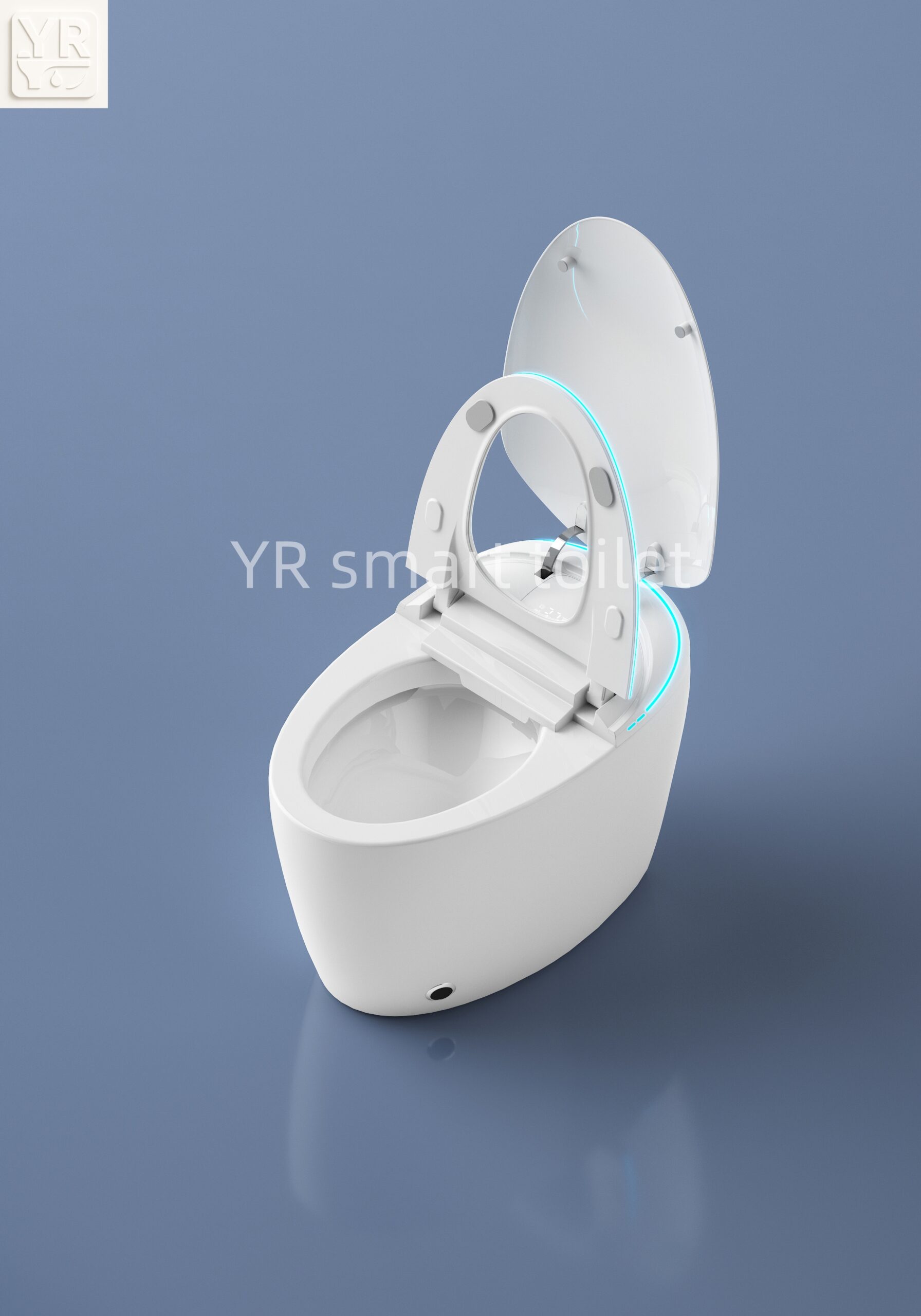
In recent years, bathroom design has shifted from purely functional layouts to a combination of comfort, aesthetics, and smart technology. Among the most noticeable trends is the rise of the egg shaped toilet, a design that is increasingly used in luxury homes, hotels, and modern commercial spaces.
But why is this specific shape gaining popularity? The answer lies in a mix of ergonomics, design language, space optimization, and compatibility with smart toilet systems.
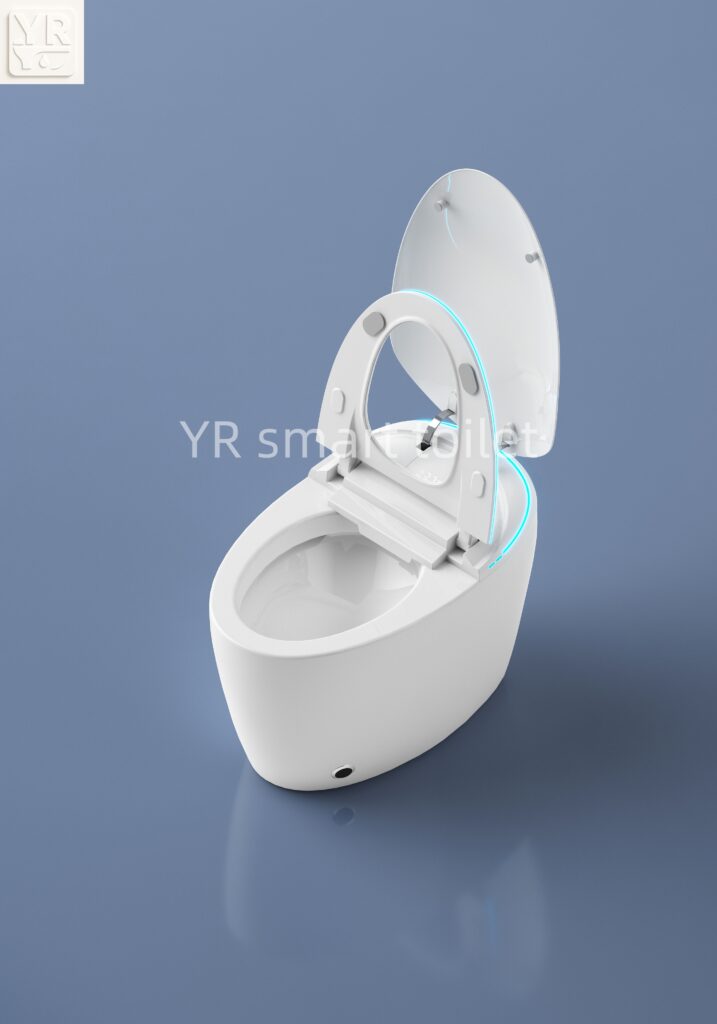
The egg shape is not just a visual choice—it is closely related to human comfort.
Compared with traditional angular toilets, egg shaped toilets offer:
This ergonomic advantage makes them especially suitable for smart toilets, where users may spend more time due to additional washing and drying functions.
Modern interior design is moving toward minimalism:
The egg shaped toilet fits perfectly into this trend. Its rounded silhouette creates a softer visual impact, making the bathroom feel more open, calm, and high-end.
This is why it is widely used in:
Most modern smart toilets are built with advanced electronic components such as:
The egg shaped structure provides more internal space, making it easier for manufacturers to integrate these systems without compromising design or performance.
This is one of the key reasons why OEM smart toilet suppliers increasingly offer egg shaped models.
Hygiene is a major factor in bathroom product development.
Egg shaped toilets often feature:
These design advantages help reduce maintenance time and improve overall cleanliness, which is especially important in public and hospitality environments.
For architects and interior designers, bathroom products are part of the overall visual identity of a space.
Egg shaped toilets provide:
This makes them a preferred choice in design-driven construction projects.
As smart toilets become more widely adopted, shape innovation has also increased.
Market trends show that buyers are no longer only focused on function—they also care about design consistency and branding. Egg shaped toilets help manufacturers differentiate their product lines in a competitive market.
This is particularly important for:
Urban living spaces are becoming smaller, especially in apartments and hotels. Egg shaped toilets often feature compact designs that help:
This makes them ideal for modern space-limited environments.
The rising popularity of egg shaped toilets is driven by a combination of ergonomic comfort, modern aesthetics, smart technology integration, and global bathroom design trends. As the demand for smart bathroom solutions continues to grow, this shape will likely remain a key design direction in both residential and commercial projects.
For buyers and suppliers in the sanitary ware industry, understanding this trend is essential for product development, OEM customization, and market positioning.
