
当社の所在地
ノース・カーディナル・ストリート304番地.
マサチューセッツ州ドーチェスター・センター 02124

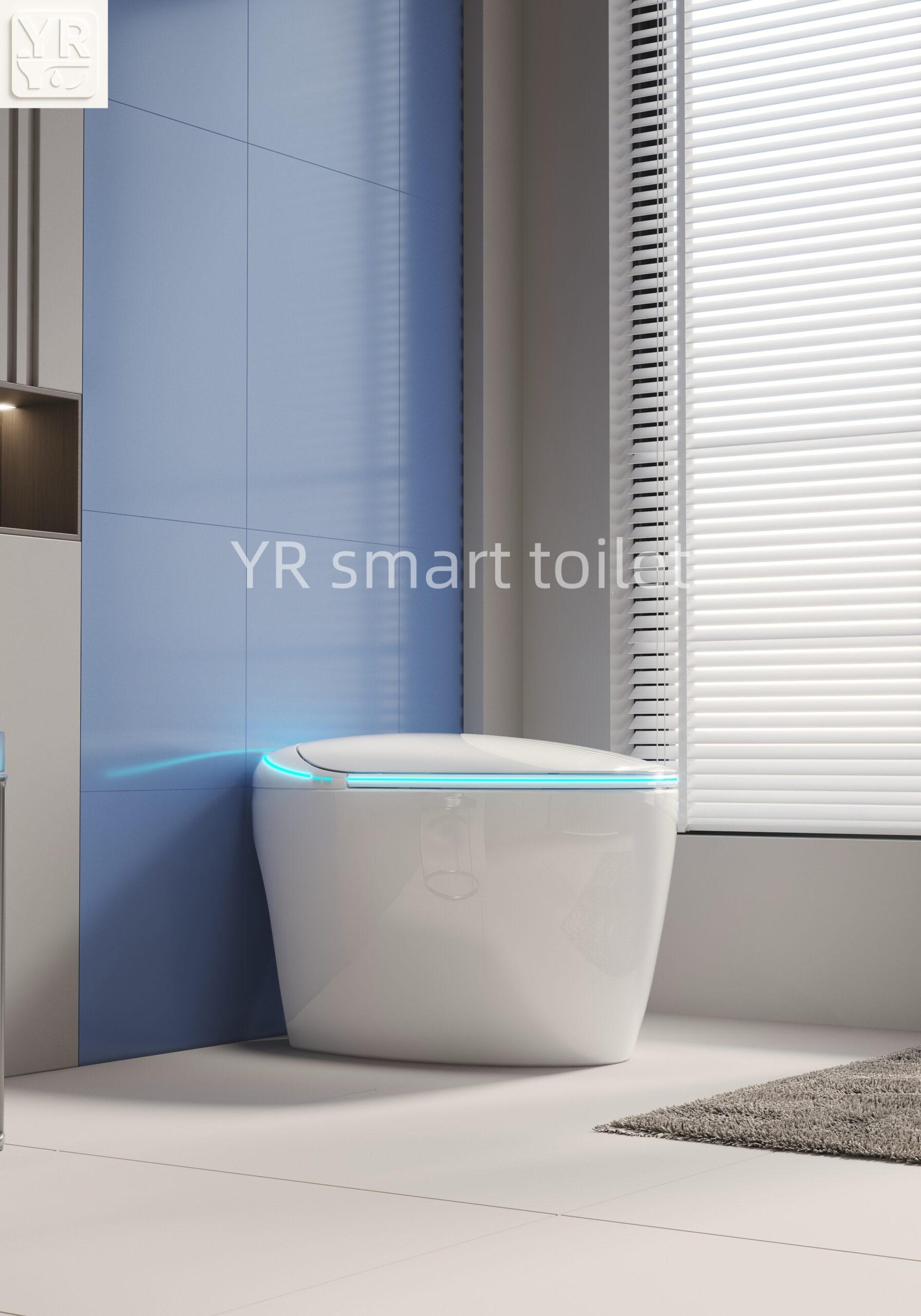
スマートトイレ もはや、高級住宅やホテルにのみ設置される贅沢品とは見なされていません。技術の進歩と消費者の期待の変化に伴い、スマートトイレは住宅、商業施設、宿泊施設などでますます普及しつつあります。モダンな外観や自動化機能に加え、スマートトイレの最大の利点の一つは、衛生状態を改善し、日々の快適性を高めることができる点にあります。.
この記事では、スマートトイレがどのようにして、より清潔で健康的、そして快適なトイレ体験を実現するのかについて探ります。.
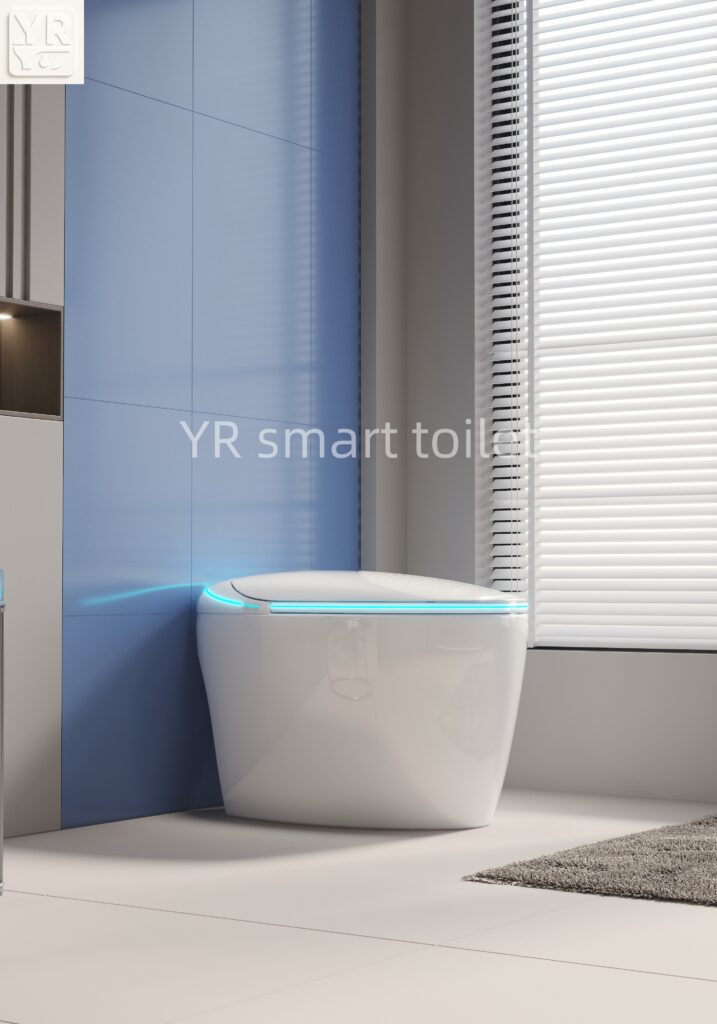
従来のトイレットペーパーによる洗浄方法では、必ずしも最も効果的な衛生管理ができるとは限りません。スマートトイレには、水を使ったより徹底的な洗浄プロセスを実現する、一体型のビデ洗浄システムが搭載されています。.
一般的な洗濯機能には、次のようなものがあります:
水ベースのクレンジングは、肌への刺激を抑えつつ、より快適で衛生的な使用感をもたらします。.
最近のスマートトイレには、使用の前後を通じて衛生状態を維持できるよう設計された、自動洗浄機能付きのノズルシステムが搭載されていることがよくあります。.
代表的なセルフクリーニング機能には、次のようなものがあります:
これらの機能により、汚染の低減や手作業による洗浄の負担を最小限に抑えることができます。.
スマートトイレの衛生面での大きな利点の一つは、ハンズフリー操作である。.
多くのモデルが以下に対応しています:
浴室の表面への接触を減らすことで、交差汚染を最小限に抑えることができます。.
非接触機能は、ホテル、オフィス、病院、公共施設などで特に重宝されます。.
利用者は、トイレの水を流すのを忘れがちだったり、共有スペースでは流すボタンを触るのを避けたりすることがあります。.
スマートトイレは、使用後に作動する自動洗浄システムによって、この問題を解決します。.
主な特典は以下の通りです:
自動運転により、家庭でも商業施設でも、より清潔な環境が実現されます。.
快適性は、スマートトイレがもたらす最も顕著な改善点の一つです。.
シートヒーターシステムには、一般的に次のような機能があります:
シートヒーターは、特に寒い季節において、ユーザー体験を大幅に向上させることができます。.
多くのスマートトイレには、温風乾燥機が内蔵されており、トイレットペーパーへの依存度を低減しています。.
メリットとしては、次のようなものがあります:
風量と温度の設定を調整できるため、ユーザーは自分好みの使い心地にカスタマイズできます。.
浴室の臭いは、全体的な快適さや利用者の満足度に影響を与える可能性があります。.
現在、多くのスマートトイレには、次のような消臭技術が搭載されています:
これらの機能により、バスルームの環境をより爽やかに演出することができます。.
スマートトイレには、LED照明システムが組み込まれているものが増えてきている。.
ナイトライトには次のような効果があります:
このささやかな機能は、しばしば驚くほど顕著な快適性の向上をもたらします。.
高度なスマートトイレは、ユーザーごとの設定を保存することができます。.
例としては、次のようなものがあります:
これにより、ご家族や共有スペースにおいて、より個々のニーズに合わせたバスルーム体験が実現します。.
スマートトイレは、次のような場所でますます普及しています:
商業施設において、スマートトイレは利用者の満足度を高めると同時に、より高い衛生基準の維持にも寄与します。.
スマートトイレは、衛生面や快適性を向上させるだけでなく、持続可能性の目標達成にも貢献することができます。.
環境に配慮した機能には、以下のようなものがよく挙げられます:
これらの機能により、長期的には運用コストを削減することができます。.
スマートトイレは、テクノロジー、快適性、そして高度な衛生機能を融合させることで、日常生活をより充実したものにしてくれます。タッチレス操作、自動洗浄システム、ビデ洗浄、温風乾燥、そして個人に合わせた設定により、より清潔で快適なトイレ体験を実現します。.
消費者の期待が絶えず変化する中、スマートトイレは世界中の現代的な住宅や商業施設において重要な要素となりつつあります。.
販売代理店、輸入業者、およびOEMバイヤーにとって、これらのメリットを理解することは、高まる市場の需要に応える製品を見極める上で役立ちます。.
はい。スマートトイレには、多くの場合、水洗浄システム、自動洗浄ノズル、非接触操作、および衛生状態を向上させる殺菌機能などが備わっています。.
多くのスマートトイレには、ビデ洗浄機能や温風乾燥機能が搭載されており、これによりトイレットペーパーの使用量を大幅に削減することができます。.
はい。自動洗浄機能、シートヒーター、夜間照明、タッチレス操作などの機能は、利便性と使いやすさを向上させることができます。.
