Nasza lokalizacja
304 North Cardinal St.
Dorchester Center, MA 02124

304 North Cardinal St.
Dorchester Center, MA 02124

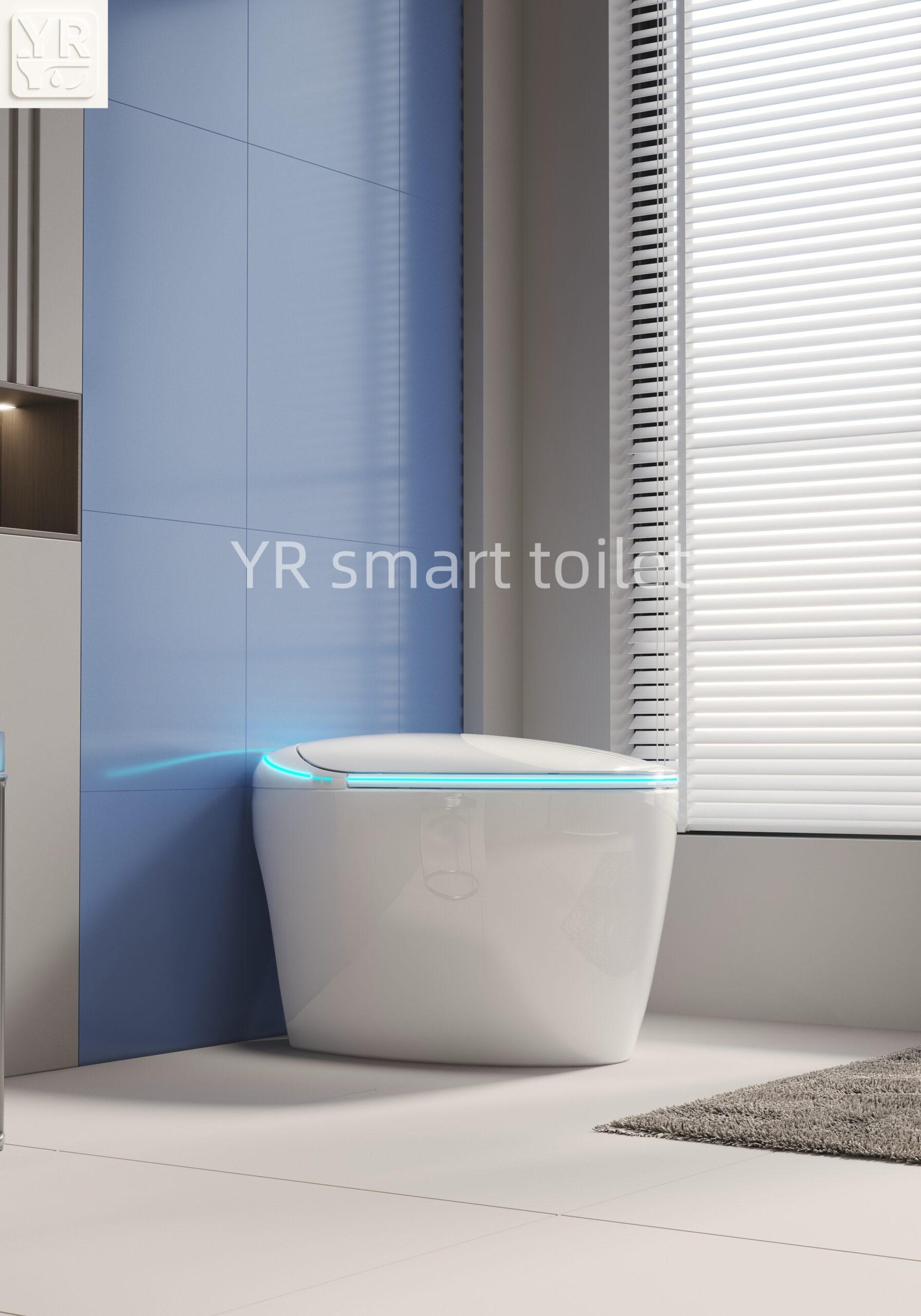
Inteligentne toalety nie są już postrzegane jako produkty luksusowe, zarezerwowane wyłącznie dla ekskluzywnych domów i hoteli. Wraz z postępem technologicznym i zmieniającymi się oczekiwaniami konsumentów inteligentne toalety zyskują coraz większą popularność w budynkach mieszkalnych, obiektach komercyjnych oraz w branży hotelarskiej. Oprócz nowoczesnego wyglądu i automatyzacji jedną z największych zalet inteligentnych toalet jest ich zdolność do poprawy higieny i zwiększenia codziennego komfortu.
W niniejszym artykule omówiono, w jaki sposób inteligentne toalety zapewniają czystsze, zdrowsze i wygodniejsze korzystanie z łazienki.
Tradycyjne metody czyszczenia papierem toaletowym nie zawsze zapewniają najwyższy poziom higieny. Inteligentne toalety wyposażone są w zintegrowane systemy myjące typu bidet, które wykorzystują wodę do dokładniejszego oczyszczania.
Do typowych funkcji prania należą:
Oczyszczanie na bazie wody może zapewnić większy komfort i higienę, jednocześnie zmniejszając podrażnienia skóry.
Nowoczesne inteligentne toalety są często wyposażone w samoczyszczące się systemy dysz, których zadaniem jest zapewnienie higieny przed i po każdym użyciu.
Do typowych funkcji samoczyszczenia należą:
Funkcje te pomagają ograniczyć zanieczyszczenia i zminimalizować konieczność ręcznego czyszczenia.
Jedną z głównych zalet inteligentnych toalet pod względem higieny jest obsługa bez użycia rąk.
Wiele modeli obsługuje:
Ograniczenie fizycznego kontaktu z powierzchniami w łazience może pomóc w zminimalizowaniu zakażeń krzyżowych.
Funkcja bezdotykowa jest szczególnie przydatna w hotelach, biurach, szpitalach i obiektach użyteczności publicznej.
Użytkownicy często zapominają o spłukaniu toalety lub mogą unikać dotykania przycisków spłukujących w miejscach publicznych.
Inteligentne toalety rozwiązują ten problem dzięki automatycznym systemom spłukiwania, które uruchamiają się po skorzystaniu z toalety.
Korzyści obejmują:
Automatyczne działanie zapewnia czystsze otoczenie zarówno w domach, jak i w obiektach komercyjnych.
Komfort to jedna z najbardziej zauważalnych zalet, jakie oferują inteligentne toalety.
Systemy podgrzewania siedzeń zazwyczaj oferują:
Ogrzewane siedzenia mogą znacznie poprawić komfort użytkowania, zwłaszcza w chłodniejszych porach roku.
Wiele inteligentnych toalet jest wyposażonych w wbudowane suszarki na ciepłe powietrze, które zmniejszają zapotrzebowanie na papier toaletowy.
Do zalet należą:
Regulacja przepływu powietrza i temperatury pozwala użytkownikom dostosować urządzenie do własnych potrzeb.
Zapachy w łazience mogą wpływać na ogólny komfort i zadowolenie użytkowników.
Wiele inteligentnych toalet jest obecnie wyposażonych w technologie dezodoryzujące, takie jak:
Te elementy pomagają stworzyć bardziej świeżą atmosferę w łazience.
Inteligentne toalety coraz częściej są wyposażone we wbudowane systemy oświetlenia LED.
Lampki nocne mogą zapewnić:
Ta niewielka funkcja często zapewnia zaskakująco zauważalną poprawę komfortu.
Zaawansowane inteligentne toalety mogą zapisywać spersonalizowane ustawienia użytkownika.
Przykłady to między innymi:
Dzięki temu rodziny i użytkownicy wspólnych przestrzeni mogą cieszyć się bardziej spersonalizowanym doświadczeniem w łazience.
Inteligentne toalety znajdują coraz szersze zastosowanie w:
W obiektach komercyjnych inteligentne toalety mogą zwiększyć zadowolenie użytkowników, przyczyniając się jednocześnie do utrzymania wyższych standardów higieny.
Inteligentne toalety nie tylko poprawiają higienę i komfort, ale mogą również przyczyniać się do realizacji celów zrównoważonego rozwoju.
Do cech przyjaznych dla środowiska często zalicza się:
Funkcje te mogą z czasem przyczynić się do obniżenia kosztów eksploatacji.
Inteligentne toalety poprawiają jakość codziennego życia dzięki połączeniu technologii, komfortu i zaawansowanych funkcji higienicznych. Obsługa bezdotykowa, systemy samoczyszczące, funkcja bidetu, suszenie ciepłym powietrzem oraz spersonalizowane ustawienia zapewniają większą czystość i większą przyjemność z korzystania z łazienki.
Wraz z ciągłą ewolucją oczekiwań konsumentów inteligentne toalety stają się ważnym elementem nowoczesnych domów i projektów komercyjnych na całym świecie.
Dla dystrybutorów, importerów i nabywców OEM zrozumienie tych zalet może pomóc w zidentyfikowaniu produktów, które zaspokoją rosnący popyt rynkowy.
Tak. Inteligentne toalety często są wyposażone w systemy oczyszczania wodą, samoczyszczące się dysze, obsługę bezdotykową oraz funkcje sterylizacji, które mogą poprawić higienę.
Wiele inteligentnych toalet jest wyposażonych w funkcje mycia bidetowego i suszenia ciepłym powietrzem, które mogą znacznie zmniejszyć zużycie papieru.
Tak. Funkcje takie jak automatyczne spłukiwanie, podgrzewane siedzenia, oświetlenie nocne oraz sterowanie bezdotykowe mogą zwiększyć wygodę i ułatwić korzystanie z toalety.
